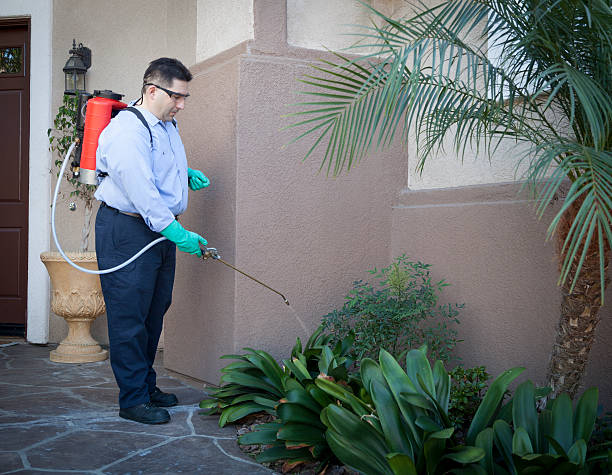
Pest Control Davie, Florida | Exterminator & Termite Control Services Davie FL

Pest Control Davie, Florida | Exterminator & Termite Control Services Davie FL

Essential Facts About Termites and How a Davie FL Exterminator Can Protect Your Property

Multi-ethnic team of repairmen at customer's front door. African descent and Caucasian repairmen or blue collar/service industry workers make service/house call at customer's front door. He holds his clipboard while other worker holds ladder and toolbox. Inspectors, exterminators, electricians. Red brick home. pest control service stock pictures, royalty-free photos & images

Termites are often regarded as one of the most destructive pests in the world, yet many property owners are unaware of their habits, behavior, and the extent of damage they can cause. Understanding termites is crucial to safeguarding your property. Below are ten lesser-known facts about termites and how they can affect your home or business.

A single termite colony can house anywhere from a few thousand to millions of termites. These numbers enable them to cause significant damage in a relatively short period.

Termites work around the clock, chewing through wood and other materials non-stop. This relentless behavior accelerates structural damage to homes and businesses.

Although only a fraction of termite species are considered pests, identifying which type you’re dealing with is key for effective treatment.

Termite Type Primary Habitat Key Damage
Subterranean Termites Soil-based; wood structures Severe structural damage
Drywood Termites Above-ground wood Furniture destruction
Damp wood Termites Moist or decaying wood Localized wood decay

Termite infestations typically remain hidden out of sight within walls, floors, or the foundation until significant damage has occurred.

Termite swarms occur when winged termites leave their nest to start new colonies. Spotting swarmers near your property could be an early warning sign.

While termites primarily feed on cellulose found in wood, they can also chew through drywall, paper materials, insulation, and even thin metal sheeting while searching for food sources.

In the U. S. , termites cause over $5 billion in property damage annually—most of which is not covered by homeowner’s insurance policies due to its classification as preventable maintenance.

Leaky pipes or areas with high humidity provide an ideal environment for termites to thrive. Addressing moisture issues can significantly reduce the risk of infestation.

Tips for Reducing Moisture Risks:

  • Repair leaks promptly (plumbing or roofing).
  • Ensure proper drainage near foundations with functioning gutters.
  • Use dehumidifiers in crawl spaces or basements if necessary.

Store-bought termite treatments may only address surface-level problems without eliminating colonies entirely. Professional intervention is usually required for complete eradication.

Investing in regular termite inspections and preventative measures like chemical barriers costs far less than repairing severe structural damage caused by an active infestation.

By understanding these crucial facts about termites and their destructive potential, property owners can take proactive steps to mitigate risks effectively before costly repairs are needed.

Effective Davie FL Pest Control Services to Safeguard Your Home or Business

Maintaining a pest-free space is essential for the health and safety of your home or business. Pests can cause significant harm ranging from structural damage to health risks. Partnering with professional pest control services ensures you proactively address infestations while creating a safer environment for occupants.

Top Reasons to Choose Davie FL Pest Removal Services

Professional pest control services offer tailored solutions using advanced methods to identify, manage, and prevent infestations.

  • Accurate Identification: Experts can quickly identify the type of pest invading your property, allowing for the right treatment methods to be applied effectively.
  • Safe and Targeted Solutions: Professional treatments are designed to eliminate pests while minimizing harm to humans, pets, and the environment.
  • Long-Term Prevention: Beyond eradication, professionals focus on preventative measures to reduce the likelihood of future infestations.
  • Cost Efficiency: DIY approaches often lead to recurring problems and additional expenses. Professional services save time and money in the long run by addressing the root causes.

Effective Solutions from a Pest Control Company Davie FL for Common Pests

Jose’s Bug A Bug Pest, Termites
6115 Stirling Rd STE 207, Davie, FL 33314
+19544368526
https://bugabugpest.com

Understanding which pests are likely to invade your space is critical for effective prevention.

Pest Type Risks
Termites Structural damage by feeding on wood, drywall, and insulation
Rodents Contamination of food supplies, spread of diseases (e.g., salmonella), and gnawing damage
Cockroaches Asthma triggers, allergic reactions, contamination from droppings
Ants Food contamination; carpenter ants may cause wood damage
Bed Bugs Painful bites causing irritation; expensive treatments required for full eradication
Mosquitoes Spread of diseases like West Nile Virus or dengue

Effective Termite Control Davie FL: Benefits of Regular Pest Maintenance Plans

Routine pest management plans offered by experts go beyond single treatments.

  1. Scheduled Inspections: Regular checks help detect signs of new infestations before they escalate.
  2. Customized Treatments: Tailored approaches target specific pest concerns based on seasonal or geographic factors.
  3. Eco-Friendly Approaches: Many professionals now prioritize environmentally conscious methods that balance safety with effectiveness.
  4. Peace of Mind: Knowing your property is protected allows you to focus on other priorities without worrying about pests.

When Should You Call a Professional?

  • Visible structural damage such as sagging floors or hollow-sounding wood (often caused by termites).
  • Multiple sightings of pests like rodents or cockroaches within a short time frame.
  • Presence of nests in attics, basements, or near entry points.
  • Recurring infestations despite previous attempts at DIY solutions.

Steps You Can Take Alongside Professional Help

  • Keep food sealed in airtight containers.
  • Fix leaks promptly as moisture attracts many types of pests.
  • Seal gaps around doors, windowsills, pipes, and vents where pests may enter.
  • Maintain cleanliness throughout your property by vacuuming frequently and removing clutter.

Investing in expert pest control services not only protects against immediate threats but also establishes a safe living or working space over time—free from unwanted invaders that jeopardize health and safety standards.

Comprehensive Pest Guide to Identify and Manage Common Household Pests

Understanding the types of pests that may invade your home or property is crucial for maintaining a safe and healthy environment. Common household pests can cause damage to structures, spread diseases, contaminate food, and create uncomfortable living conditions. Below is a guide that helps identify these pests and offers practical management techniques.

Common Household Pests and How to Identify Them

  1. Appearance: Small insects varying in color from black to red or brown.
  2. Signs of Infestation: Ant trails near food sources, nests in soil, walls, or crevices.
  3. Common Species: Carpenter ants, odorous house ants, pavement ants.
  4. Appearance: Flattened oval bodies with long antennae; vary in size depending on species (commonly brown or reddish-brown).
  5. Signs of Infestation: Droppings resembling ground pepper, shed skin, egg casings near water sources.
  6. Health Concerns: Spread bacteria like Salmonella and trigger allergies or asthma.
  7. Appearance: Mice are small with pointed snouts; rats are larger with blunt noses. Both have long tails and sharp teeth for gnawing.
  8. Signs of Infestation: Gnaw marks on furniture or wiring, droppings, nests made from paper or fabric.
  9. Appearance: Light-colored insects with soft bodies; often mistaken for ants but have straight antennae and equal-length wings during the swarming stage.
  10. Signs of Infestation: Blistered wood surfaces, discarded wings near windowsills, hollow-sounding wood when tapped.
  11. Appearance: Tiny (4–5 mm), reddish-brown insects shaped like an apple seed.
  12. Signs of Infestation: Blood stains on sheets or mattresses, small dark spots (feces), itchy bite marks in clusters.
  13. Appearance: Varying sizes; typically, eight legs with two body segments.
  14. Signs: Webs in corners of rooms or attics; presence of egg sacs.

Effective Pest Management Strategies

  • Regular Cleaning
  • Vacuum floors frequently to remove food crumbs.
  • Wipe down countertops daily to eliminate food residues.
  • Store food in sealed containers to prevent access.
  • Sealing Entry Points
  • Use caulk to seal gaps around doors and windows.
  • Repair torn window screens and seal utility line openings.
  • Install door sweeps under exterior doors.
  • Removing Attractants
  • Dispose of garbage regularly in tightly closed trash bins.
  • Eliminate standing water sources such as leaky pipes or clogged drains.
  • Trim vegetation that touches your home’s exterior walls as it can provide pathways for pests.
  • Using Natural Deterrents | Pest Type | Natural Solution | Method of Application | |—————–|——————————–|———————————–| | Ants | Vinegar | Spray diluted vinegar along trails | | Cockroaches | Baking soda & sugar mix | Place the mixture near infested areas | | Bed Bugs | Diatomaceous earth | Apply lightly where bed bugs hide |

When to Call Professional Pest Control Services

  • The infestation is extensive (e. g. , widespread termite damage).
  • Health risks are present due to pest-related diseases.
  • DIY measures fail despite repeated attempts.

Experts use advanced tools like bait stations, eco-friendly pesticides, and thermal imaging technology to identify hidden pest activity effectively while ensuring minimal harm to non-target species. Hiring professionals not only resolves current issues but also prevents future infestations through targeted preventative measures.

By staying informed about common household pests and employing proactive management strategies early on, you can protect your space from costly damages while ensuring a safe living environment for all occupants.

How to Protect Your Property from Termite Infestation and Long-Term Damage

These silent invaders feed on wood and other cellulose materials, often going unnoticed until the damage becomes severe.

Professional Spraying Carpet Man spraying a carpet. Could be cleaner or insecticide or other special indoor spray. pest control service stock pictures, royalty-free photos & images

Recognizing Signs of a Termite Infestation

The first step in protecting your property is knowing how to identify potential termite activity.
Mud tubes: Termites build mud tubes along walls or foundations as a protective pathway.
Discarded wings
Hollow-sounding wood: Tapping on wooden surfaces that sound hollow may indicate internal damage caused by termites.
Frass (termite droppings): Small piles of wood-colored pellets around wooden structures suggest drywood termite activity.

Key Preventative Measures

Taking proactive measures can significantly reduce the risk of termite infestations.

  1. Repair leaky faucets, pipes, or HVAC systems that create damp conditions favorable for termites.
  2. Trim trees and shrubs to prevent direct contact with the structure.
  3. Install mesh screens on vents to restrict termite entry.
  4. Opt for pressure-treated wood in construction projects as it is more resistant to termites.
  5. Apply termite-resistant coatings on vulnerable areas like decks or fences.

Regular Inspections Are Essential

Scheduling routine inspections by licensed pest control professionals is one of the best defenses against termites. These experts can identify vulnerabilities in your property that might attract termites and recommend tailored solutions for long-term protection.

Inspection Frequency Recommendations
Annually For properties with no history of infestations
Bi-annually For areas prone to high termite activity

Treatment Options When Infestation Occurs

Long-Term Benefits of Proactive Termite Control

Investing time and resources into protecting your property not only prevents structural deterioration but also safeguards its value over time. With consistent preventative measures, professional support, and early detection practices in place, homeowners can successfully mitigate risks associated with these destructive pests while ensuring a durable living environment.

By staying vigilant against termite activity year-round and prioritizing proper maintenance routines, you can effectively protect your property from both infestation and extensive damage caused by these persistent pests.

How to Protect Your Property from Termite Infestation and Long-Term Damage

Termites are among the most destructive pests that can invade your property. These tiny insects work silently, often causing extensive damage before their presence is even noticed. Below, we discuss effective strategies for safeguarding your space from these invasive pests.

Recognize the Signs of Termite Activity

Early detection is key to preventing long-term damage caused by termites.

  • Hollow-Sounding Wood: Tapping on wood that sounds hollow could indicate internal termite activity.
  • Frass (Termite Droppings): Drywood termites leave behind small piles of pellet-shaped droppings near infested areas.

By staying vigilant, you can catch an infestation early and take appropriate action.

Minimize Risk Factors Around Your Property

Termites are drawn to specific environmental conditions that make it easier for them to thrive.

  1. Eliminate Moisture Sources: Keep gutters clean and repair leaks promptly to prevent moisture buildup around the foundation of your home or business.
  2. Store Firewood Away from Structures: Place firewood at least 20 feet away from buildings, as it can serve as an easily accessible food source for termites.
  3. Maintain Landscaping: Trim shrubs and trees so they don’t touch the exterior walls of your property, reducing potential entry points.
  4. Use Termite-Resistant Materials: When building or renovating, consider materials like pressure-treated wood or composite materials that deter infestations.

Taking these preventative measures can significantly reduce the likelihood of a termite invasion.

Professional Inspection and Treatment Options

Service Type Description
Inspections Routine inspections by licensed pest control experts help identify early stages of termite activity before significant damage occurs.
Barrier Treatments Soil treatments create chemical barriers around your property’s foundation, deterring subterranean termites from entering structures.
Bait Systems Strategically placed bait stations attract termites and eliminate colonies over time through slow-acting insecticides.
Fumigation Services For severe infestations involving drywood termites, fumigation penetrates deep into structures without requiring demolition or removal of infested materials.

Collaborating with a professional pest control provider ensures comprehensive solutions tailored specifically to your needs.

The Cost Implications of Delayed Action

  • Repairs for structural damages such as weakened support beams or compromised flooring.
  • Decreased property value due to visible signs of infestation during inspections.
  • Higher future treatment costs if the colony expands unchecked.

Proactively addressing termite risks is always more cost-effective than reacting after significant damage has occurred.

By recognizing warning signs early, reducing risk factors around your property, and utilizing professional pest control services when necessary, you can successfully protect against termite infestations while preserving both safety and value in your investment spaces.

Effective Solutions for Eliminating Pests and Ensuring a Pest-Free Home

Maintaining a pest-free home is vital to ensuring a healthy and comfortable living environment. Pests such as rodents, cockroaches, termites, and ants not only cause structural and aesthetic damage but can also pose serious health risks. Below are some effective strategies to eliminate pests and keep them out of your home.

Routine inspections can help you identify potential pest problems before they escalate.
Check for Entry Points: Look for cracks, gaps, or openings around doors, windows, pipes, or foundations where pests can enter.
Inspect Dark Spaces: Examine basements, attics, and crawl spaces for signs of infestation such as droppings or nests.
Monitor Food Storage Areas: Keep an eye on pantries or kitchens where food crumbs might attract pests.

Early detection is key to addressing infestations before they become severe.

A clean home is less attractive to pests.
– Wipe countertops and dining areas after meals to remove food residue.
– Store food in sealed containers to limit access points for insects like ants or rodents.
– Regularly empty trash bins with tight-fitting lids to minimize odor that might attract pests.

By eliminating food sources, you reduce the likelihood of attracting unwanted visitors.

Pests often enter homes through small openings that are easy to overlook.
– Using caulk or weather stripping around windows and doors.
– Installing door sweeps at the base of exterior doors.
– Repairing holes in walls or screens promptly.

Sealing entry points creates a physical barrier against invasion.

For individuals seeking chemical-free options, natural remedies may offer relief from common pests:
Vinegar Solutions: A mixture of white vinegar and water can repel ants when sprayed along their trails.

Essential Oils: Peppermint oil or tea tree oil can deter spiders when applied near entry points.

Diatomaceous Earth:This powder acts as a natural desiccant against crawling insects like cockroaches.

While these methods are eco-friendly, they work best on small-scale infestations.

For widespread infestations or hard-to-manage pests like termites or bed bugs, professional intervention may be necessary.

Service Benefits Cost Range (Approximate)
Termite Treatment Prevents structural damage $500–$3,000
Rodent Removal Protects health by eliminating disease carriers $200–$1,000
Routine Inspections Identifies problems early $100–$300 per visit

Professionals use advanced techniques such as fumigation or bait systems tailored to specific pest challenges.

Outdoor spaces often serve as breeding grounds for pests that eventually migrate indoors:
– Trim overgrown vegetation close to your home’s foundation.

– Eliminate standing water in gutters and flowerpots to reduce mosquito breeding grounds.

– Store firewood away from the house to avoid attracting termites.

Proper yard maintenance complements indoor pest control efforts by reducing external threats.

Adopting a combination of these strategies ensures your home remains pest-free while preserving its value and safety over time. By addressing both prevention and elimination methods effectively, homeowners can minimize future risks of infestation while creating a healthier living space for their families.


Dealing with Cockroaches? Find a Trusted Davie FL Exterminator Today

One woman in protective suit spraying and disinfecting the home office exterminator pest control virus One woman in protective suit spraying and disinfecting the home office exterminator pest control virus pest control service stock pictures, royalty-free photos & images

Spotting a single cockroach in your home can be alarming, but it’s important to understand that it rarely means there is only one present. Cockroaches are social insects that thrive in groups, and seeing just one could indicate a much larger infestation hidden nearby. Here’s why a lone cockroach is often just the tip of the iceberg.

Why One Cockroach Often Means Many

  • Rapid Reproduction: Female cockroaches can lay dozens of eggs at a time, meaning populations grow exponentially in a short period.
  • Group Behavior: Cockroaches tend to cluster together in dark, warm spaces near food and water sources.
  • Survival Instincts: These resilient pests are adept at finding hidden places to live and reproduce, making them difficult to detect.

The Lifecycle of a Cockroach

Lifecycle Stage Duration (Approx.) Key Characteristics
Egg 1-2 months Egg cases (oothecae) contain multiple embryos.
Nymph 6 weeks – 6 months Nymphs molt several times before maturing into adults.
Adult Up to 1 year Reproduces rapidly; can lay egg cases every few weeks.

Indicators of an Infestation

  • Droppings: Small, black droppings resembling ground coffee or pepper.
  • Egg Cases (Oothecae): Brownish capsules found in dark corners or near food sources.
  • Musty Odor: A distinct, unpleasant smell caused by pheromones released by roaches.
  • Shed Skins: As nymphs mature, they shed their exoskeletons—these can accumulate around nesting sites.

The Risks of Ignoring Early Signs

  1. Disease Spread: Roaches carry bacteria like Salmonella and E. coli on their bodies, which contaminate surfaces and food.
  2. Allergy Triggers: Their droppings, saliva, and shed skins can exacerbate asthma symptoms or cause allergic reactions.
  3. Structural Damage: In large numbers, they may chew through materials like cardboard or fabric.

Key Takeaway

If you spot one cockroach in your home, act promptly by investigating potential hiding spots and taking preventative measures such as sealing entry points and removing access to food and water sources. Early detection can save you from dealing with a full-blown infestation later on.

Identifying Cockroach Infestations with Expert Davie FL Pest Control

Cockroaches are nocturnal pests that thrive in dark, damp, and hidden spaces. Even spotting a single cockroach can indicate a more significant infestation lurking within your home. Understanding the signs of a cockroach problem is essential for early detection and effective pest control. Below are some key indicators to help you recognize when these unwelcome intruders are present.

Effective Davie FL Pest Removal for Cockroach Infestations

One of the most obvious signs is seeing live roaches scuttling across floors, walls, or countertops. Since cockroaches are nocturnal, they’re more likely to be spotted during the night. If you see them during daylight hours, it could mean the infestation is severe, forcing them out of hiding due to overcrowding.

Identifying Droppings with a Pest Control Company in Davie FL

Cockroach droppings resemble small black or brown specks and can often be confused with ground pepper or coffee grounds.

These droppings may accumulate in areas such as:

– Behind appliances

– Inside kitchen cabinets

– Along baseboards or door frames If you notice clusters of droppings, it’s a clear signal that roaches are active in that area.

Egg Cases (Oothecae) and Effective Termite Control Davie FL

Cockroaches lay their eggs in protective capsules called oothecae. These egg cases can contain anywhere from 16 to 50 eggs, depending on the species.

Look for oothecae in hidden spots like:

– Cracks and crevices

– Inside drawers or cupboards

– Behind furniture or appliances

4. Musty Odor

A large cockroach infestation often produces a distinctive musty or oily smell caused by pheromones they release to communicate with each other. This odor becomes stronger as their numbers grow and can persist even after cleaning.

5. Skin Sheddings

Cockroaches shed their exoskeleton multiple times as they grow into adults through molting processes. These light-brown, translucent skins may be found near areas where they hide or travel frequently.

Sign Description Where to Look
Live Roaches Visible movement during night or day Floors, counters, walls
Droppings Black specks resembling coffee grounds Kitchen cabinets, baseboards
Egg Cases (Oothecae) Protective capsules containing eggs Cracks, crevices
Musty Odor Unpleasant oily smell Infested areas
Skin Sheddings Transparent exoskeletons left behind Hidden spaces

6. Grease Smears

Roaches leave greasy smear marks as they crawl along surfaces such as walls or countertops. These trails often appear where there is heavy activity and high humidity levels.

Precautionary Steps Upon Noticing Signs

If any of these indicators confirm an infestation:

1. Inspect your home thoroughly for additional evidence.

2. Seal cracks and gaps around your home to limit roach entry points.

3. Eliminate food crumbs and moisture sources that attract them.

4. Use traps or bait systems for monitoring activity before contacting pest control professionals if necessary.

Recognizing these telltale signs early allows you to take swift action against roach infestations before they spread further inside your home—ensuring better protection for your household environment over time without unnoticed escalation potential risks escalating unchecked severity worsening conditions thriving rapidly increasing population growth unmanaged

Where Do Roaches Hide and How to Find Their Hiding Spots

Understanding where cockroaches hide is crucial for addressing infestations effectively. Cockroaches are nocturnal pests that thrive in dark, moist, and secluded areas. Identifying their hiding spots enables you to tackle the problem at its source. Below, we explore common hiding places and methods to locate these resilient pests.

Common Hiding Spots for Cockroaches

  1. Behind kitchen appliances (refrigerators, stoves, dishwashers).
  2. Inside cabinets and pantries where food crumbs or spills may accumulate.
  3. Underneath sinks or near plumbing due to access to water sources.
  4. Behind toilets where condensation creates moisture.
  5. Inside bathroom cabinets or near drains and pipes.
  6. Inside cracks and crevices in walls or floors.
  7. Beneath furniture such as couches or bookshelves.
  8. In electronics like televisions or computer cases that generate warmth.
  9. Cardboard boxes and storage bins offer dark, enclosed spaces.
  10. Near utility areas with exposed pipes or standing water.
  11. In gutters clogged with debris.
  12. Around doorframes, windowsills, or crawlspaces leading into your home.

How to Locate Cockroach Hiding Spots

  1. Inspect Dark Areas with a Flashlight
    Shine a flashlight into cracks, under appliances, inside cabinets, and around baseboards at night when cockroaches are most active.
  2. Look for Droppings and Egg Cases
    Take note of any small black droppings resembling ground pepper or oval-shaped egg cases (oothecae). These are clear indicators of their presence.
  3. Set Sticky Traps
    Place sticky traps in suspected hiding spots overnight to confirm activity as roaches get caught attempting to move about.
  4. Check for Smear Marks
    In damp areas like bathrooms or kitchens with high humidity levels, check for brownish smear marks left behind by cockroach movement.
  5. Listen for Movement at Night
    In quiet settings during nighttime hours, you may hear faint rustling noises caused by their movement behind walls or furniture.

Table: Signs of Cockroach Activity by Area

Area Common Signs Likely Reason Recommended Action
Kitchen Droppings near food containers Easy access to food Clean spills & seal food
Bathroom Smear marks near drains High moisture availability Repair leaks & improve airflow
Living Room Dead roaches beneath furniture Hidden during the day Vacuum crevices regularly
Basement Egg cases in storage boxes Dark & undisturbed environment Declutter & use sealed containers

By knowing exactly where roaches may be lurking in your home and utilizing these detection techniques, you can take the first steps toward eliminating them effectively while preventing future infestations from taking hold.

Effective Strategies for Preventing Cockroach Infestations in Your Home

Cockroaches are resilient pests that can quickly become a major problem if not addressed. Prevention is the most effective way to ensure your home remains free of these unwelcome invaders. Below are strategies to help you keep cockroaches at bay.

Keep Your Home Clean and Tidy

  • Clean up food crumbs and spills immediately: Even small amounts of food can attract cockroaches.
  • Wash dishes promptly: Leaving dirty dishes in the sink overnight provides an easy food source.
  • Store food securely: Use airtight containers for pantry items like flour, sugar, and cereals.
  • Take out the trash regularly: Garbage is a major attraction for roaches. Ensure bins are sealed with tight-fitting lids.

Seal Entry Points

  • Use caulk or silicone sealant to close gaps around windows, doors, baseboards, and countertops.
  • Install door sweeps on exterior doors to block access.
  • Repair damaged screens on windows and vents.

Eliminate Moisture Sources

  • Fix leaky faucets, pipes, and plumbing fixtures promptly.
  • Use a dehumidifier in damp areas such as basements or crawl spaces.
  • Wipe down sinks, bathtubs, and countertops to remove excess water.

Declutter Your Space

  • Dispose of unused cardboard boxes, stacks of paper, or old magazines.
  • Avoid leaving piles of clothing or items on the floor for extended periods.
  • Organize storage areas like closets, attics, and garages.

Employ Natural Deterrents

Natural Deterrent Effectiveness
Bay leaves Cockroaches dislike their strong smell; place them near entry points or infested areas.
Diatomaceous earth A natural powder that damages roach exoskeletons when they come into contact with it.
Essential oils Oils like peppermint or tea tree oil can act as repellents when diluted with water and sprayed around problem areas.

Regular Inspections

  1. Check behind appliances (such as stoves and refrigerators) for droppings or egg casings.
  2. Inspect under sinks for signs of activity like smeared grease marks or shed skins.
  3. Monitor dark corners in pantries or storage rooms where roaches typically hide.

Professional Pest Control Services

Lastly, if you notice persistent issues despite preventive measures, hiring a professional pest control service may be necessary. Pest control specialists have the expertise to identify hidden infestations and apply targeted treatments effectively.

By implementing these strategies consistently, you can reduce the likelihood of a cockroach infestation in your home while maintaining a hygienic living environment for you and your family.

The Hidden Dangers of an Unchecked Cockroach Infestation

Cockroaches are more than just unpleasant houseguests. Allowing an infestation to go unchecked can lead to serious health risks, structural damage, and psychological stress for homeowners. Understanding the hidden dangers of cockroach infestations is critical to addressing the problem effectively and safeguarding your home.

Health Risks Associated with Cockroaches

  • Allergies and Asthma: Cockroach droppings, shed skins, and saliva contain allergens that can trigger allergies or worsen asthma symptoms, especially in children.
  • Foodborne Illnesses: Roaches often contaminate food surfaces with harmful bacteria like Salmonella and E. coli, potentially leading to food poisoning or gastrointestinal diseases.
  • Parasitic Pathogens: These pests can carry intestinal worms or parasites on their bodies, which may further contribute to illnesses when spread through contaminated surfaces.
Health Concern Cause Impact
Allergies & Asthma Cockroach allergens Respiratory issues
Foodborne Illnesses Contaminated food/surfaces Stomach infections
Parasitic Pathogens Spread via roach contact Intestinal issues

Structural Damage from Infestations

Inspector or blue collar workers examine building walls. Outdoors. Repairmen, building inspectors, exterminators, engineers, insurance adjusters, or other blue collar workers examine a building/home's exterior walls. One holds a digital tablet, and they both wear protective face masks due to CoVID-19. pest control service stock pictures, royalty-free photos & images

  • Wallpaper: Roaches may feed on the glue beneath wallpapers.
  • Books and Cardboard: Paper products attract cockroaches due to their cellulose content.
  • Electrical Wiring: In rare cases, cockroaches have been known to chew through electrical insulation, potentially causing short circuits or fire hazards.

Unchecked infestations can lead to costly repairs if these damages accumulate over time.

Psychological Impacts of an Infestation

  • Sleep Disturbances: Knowing roaches are active at night may disrupt sleep patterns.
  • Social Anxiety: People often feel embarrassed about inviting guests into an infested home.
  • Persistent Fear: The fear of spotting another cockroach can cause ongoing discomfort even after the infestation is treated.

Increased Resistance Over Time

Another hidden danger of ignoring a cockroach problem is their ability to develop resistance against common insecticides. Over-the-counter treatments might lose effectiveness if applied inconsistently or improperly. This makes it increasingly difficult—and expensive—to eliminate them later.

Preventative Action Is Critical

Addressing even a small infestation promptly is key to avoiding these dangers. Homeowners should adopt proactive measures such as sealing entry points, maintaining cleanliness, and enlisting professional pest control services when necessary.

By understanding the risks posed by unchecked infestations—from health threats to psychological strain—homeowners can better appreciate the urgency required in managing such scenarios efficiently.

Steps to Take Immediately After Spotting a Cockroach in Your Home

Step 1: Stay Calm and Observe

The first reaction upon seeing a cockroach might be panic, but it’s important to stay calm.

Take note of its size, color, and location, as these details can provide clues about the species and the potential extent of the infestation:

Size and Color: Larger roaches like American cockroaches may indicate they’ve entered from outdoors, while smaller ones (like German cockroaches) often thrive within homes. –

Location: The area where you spot it—kitchen, bathroom, or another part of the house—can help you identify potential hiding spots.

Step 2: Eliminate the Visible Pest

If safe to do so, eliminate the roach using a method that ensures hygiene:

– Use paper towels or gloves to physically remove it.

– Consider applying insecticide sprays designed for household pests.

– Dispose of the dead roach carefully in a sealed plastic bag.

Avoid squashing it directly with bare hands or shoes, as this could spread harmful bacteria that cockroaches may carry.

Step 3: Inspect Common Hiding Areas

Cockroaches are experts at concealing themselves in dark, moist locations.

After removing the visible pest:

– Check beneath sinks and inside cabinets for droppings or egg casings.

– Inspect kitchen appliances such as refrigerators and dishwashers.

– Look behind furniture or within cracks in walls and floorboards.

Common Hiding Spots Signs of Infestation
Kitchen cabinets Droppings that resemble black pepper specks
Under sinks Egg casings (oval-shaped), usually brown
Behind appliances Grease smears or musty odors

Step 4: Clean Thoroughly

Cleaning your home immediately after spotting a cockroach serves two purposes: removing attractants and identifying other signs of activity. Steps include:

1. Sweep and mop floors to eliminate crumbs or spilled liquids.

2. Wipe down countertops with disinfectant.

3. Empty trash bins regularly; use lids on all bins.

Step 5: Use Traps or Baits

Set up sticky traps or bait stations around areas where evidence was found:

– Sticky traps can help confirm whether more roaches are present.

– Gel baits attract roaches while poisoning them over time.

Place traps strategically near high-risk areas like kitchens, bathrooms, or basements.

Step 6: Contact a Professional If Necessary

If you spot multiple roaches within days or find extensive signs of activity (such as egg casings), it’s time to involve pest control professionals. Licensed exterminators have access to tools and treatments that can eradicate infestations effectively without causing harm to your home environment.

Taking these steps promptly allows you to control potential infestations before they worsen. By combining vigilance with proper cleaning techniques and professional assistance when needed, you create an environment less hospitable for these unwelcome guests.

How to Protect Your Home from a Growing Cockroach Population

Cockroaches are one of the most persistent and resilient pests, capable of multiplying quickly and invading homes in large numbers. Taking proactive steps to protect your home from a growing cockroach population is essential for maintaining a clean, healthy, and pest-free environment. Here, we discuss practical methods to prevent their spread and safeguard your living space.

Eliminate Food Sources

Cockroaches are highly attracted to food remnants and crumbs. Ensuring that your home is free from accessible food sources can go a long way in discouraging infestations.

  • Keep surfaces clean: Wipe down countertops, tables, and other surfaces after each meal or snack.
  • Store food properly: Use airtight containers for storing pantry items and avoid leaving food uncovered overnight.
  • Dispose of garbage regularly: Take out the trash frequently and ensure garbage bins have tightly fitting lids.
Food Source Preventative Action
Crumbs on countertops Wipe all surfaces regularly
Open pantry items Use sealed containers
Dirty dishes in sink Wash them promptly or store in dishwasher

Control Moisture Levels

Cockroaches thrive in moist environments. By addressing areas with excess moisture around your home, you can make it less hospitable for these pests.

  • Fix leaking pipes or faucets immediately.
  • Ensure proper ventilation in high-humidity areas such as bathrooms or basements.
  • Use dehumidifiers if necessary to reduce overall humidity levels indoors.

Seal Entry Points

  • Inspect walls, windows, doors, and baseboards for cracks or gaps; seal them with silicone caulk.
  • Install weather stripping around doors and windows to block gaps.
  • Use mesh screens on vents and drains to prevent roaches from crawling inside.

Declutter Your Home

  • Keep storage areas organized with labeled bins rather than cardboard boxes (which attract roaches).
  • Regularly declutter spaces such as attics, basements, closets, or under furniture where roaches may hide.

Implement Preventive Monitoring Techniques

  1. Sticky traps: Place glue traps near suspected problem areas (e.g., kitchens or bathrooms) to monitor any pest activity.
  2. Inspection routine: Regularly inspect dark corners, cabinets, behind appliances like refrigerators or dishwashers—these are common hiding spots.
  3. Professional inspections: Hire a licensed pest control professional periodically for comprehensive checks.

Natural Deterrents and Pest Control Products

Natural Options:

  • Sprinkle diatomaceous earth along baseboards—this natural powder dehydrates insects upon contact.
  • Use essential oils like peppermint or tea tree oil mixed with water as sprays for potential entry points.

Chemical Options:

Should the infestation increase despite preventive efforts:

– Apply gel baits in cracks or crevices where roaches may travel.

– Consider insect growth regulators (IGRs) to disrupt their reproductive cycle.

Always follow safety guidelines when using pest control products indoors.

Establishing these preventive measures as part of your routine will help you maintain an environment that is unwelcoming to cockroach populations while reducing the likelihood of future infestations escalating unchecked.

How to Protect Your Home from a Growing Cockroach Population

Cockroach infestations are not only unsightly but can also pose serious health risks to your household. These resilient pests multiply quickly and, without proper intervention, can become a significant issue. Protecting your home from a growing cockroach population requires a combination of proactive measures, regular maintenance, and knowledge of effective pest control strategies.

Seal Entry Points to Prevent Access

  • Inspect for gaps: Check around doors, windows, utility pipes, and vents.
  • Use caulk or sealant: Fill any visible cracks or holes in walls, baseboards, or foundations.
  • Install door sweeps: Attach door sweeps to external doors to close off gaps beneath them.

Even the smallest openings can serve as an invitation for cockroaches. Pay particular attention to spaces where plumbing or electrical wiring enters the house.

Maintain a Clean-Living Environment

  • Clean kitchen surfaces daily: Wipe down counters and stovetops to remove crumbs and grease.
  • Store food properly: Use airtight containers for dry goods and refrigerate perishable items.
  • Empty garbage bins frequently: Dispose of trash regularly in sealed bins.
  • Fix leaks promptly: Repair dripping faucets or leaky pipes that create damp environments.

A tidy living space removes both sustenance and shelter for pests.

Monitor for Early Signs of Infestation

Sign Description
Droppings Small black or brown droppings resembling coffee grounds.
Egg cases (oothecae) Oval-shaped egg capsules often found in hidden locations.
Musty odor A strong, unpleasant smell often associated with infestations.
Shed skins Evidence of molting found near hiding spots or pathways.

Regular inspections around high-risk areas such as kitchens, bathrooms, basements, and attics help detect early warning signs.

Use Natural Remedies & Preventive Products

  • Diatomaceous earth: Sprinkle this natural powder around baseboards and entry points; it dehydrates roaches upon contact.
  • Bay leaves & essential oils: Cockroaches dislike the smell of bay leaves or essential oils like peppermint or eucalyptus.
  • Boric acid bait traps: Create safe bait mixtures using boric acid combined with sugar or flour as an attractant.

These remedies offer eco-friendly solutions while keeping roach populations under control.

Partner with Professional Pest Control Services

If preventive measures fail or the infestation grows beyond manageable levels, consider hiring professional pest control experts. They have access to advanced tools and treatments tailored specifically for eradicating cockroaches effectively.

Professionals provide services such as

1. Comprehensive inspections to identify nesting sites.

2. Targeted pesticide applications designed for long-term protection.

3. Ongoing monitoring plans to prevent future reinfestations.

By combining routine maintenance with expert assistance, when necessary, you’ll ensure lasting protection against cockroach threats.

Preventing a growing cockroach population requires diligence but is achievable through consistent efforts across multiple fronts: maintaining cleanliness, sealing access points, adopting natural deterrents where possible, monitoring signs early on, and seeking expert intervention when needed. Employ these strategies regularly so that your space remains safe from unwelcome pests year-round.


Finding the Best Davie FL Exterminator: Understanding the Real Cost of Effective Pest Control Services

Pest Control At Home Woman Spraying Insecticide With Sprayer At Home pest control service stock pictures, royalty-free photos & images

When exploring pest control solutions, it’s crucial to go beyond the surface and understand what you’re paying for. While it might be tempting to opt for the cheapest option available, focusing solely on price can lead to missed opportunities for value. Let’s explore how price and value interact in the pest control industry and how to make informed decisions.

The Difference Between Price and Value

Aspect Price-Focused Approach Value-Focused Approach
Cost Lower initial cost Reasonable cost for better services
Quality May involve subpar methods or materials High-quality products & professional expertise
Effectiveness Short-term relief Long-term prevention
Health Risks Potential exposure to harmful chemicals Eco-friendly, safe solutions

The Hidden Costs of Cheap Pest Control

  • Ineffective Treatments: Inexperienced technicians or poor-quality products may result in recurring infestations.
  • Damage Repair Costs: Pests like termites or rodents cause significant structural damage if not properly eradicated.
  • Health Risks: Inadequate treatments may lead to allergens or pathogens spreading in your home.
  • Time Lost: Frequent re-treatments can take time away from your personal or professional life.

Why Paying for Quality Matters

  1. Thorough Assessments: Professional companies often conduct detailed inspections to identify vulnerabilities in your home.
  2. Tailored Solutions: High-value providers design treatment plans that address specific pest problems without overuse of chemicals.
  3. Preventative Measures: Many services include follow-up visits or preventive strategies that keep pests away long term.
  4. Licensed Expertise: Certified professionals understand safe application methods and comply with local regulations.

Tips for Evaluating Value in Pest Control Services

  • Look for companies with solid reputations backed by positive customer reviews.
  • Compare quotes but focus on what each package includes instead of just looking at the price tag.
  • Verify licenses and certifications to ensure adherence to industry standards.
  • Ask about guarantees or warranties offered by the service provider.

By shifting your focus from “cheapest” to “most effective,” you’ll improve not just your experience, but also protect your property from recurring damage caused by pests. Professional pest control services often represent a well-rounded investment – one that offers significant peace of mind along with tangible savings in the long run.

Effective Davie FL Pest Control: Avoiding the Hidden Costs of Cheap Solutions

When faced with a pest infestation, your first instinct might be to look for affordable pest control services. While it’s natural to consider pricing when making decisions, inexpensive options often come with hidden costs that may outweigh their initial appeal. Choosing an overly cheap pest control service can lead to long-term problems, repeat infestations, and additional expenses.

Understanding the True Costs of Davie FL Pest Removal Services

  1. Many budget services rely on inferior products or take shortcuts in treatments.
  2. They may only address visible pests without targeting eggs or larvae, leading to recurring infestations.
  3. This results in frequent re-treatment expenses.
  4. Inadequate pest control can allow pests like termites or rodents to linger and cause significant damage.
  5. Termites alone can cause thousands of dollars in structural damage if not thoroughly eradicated.
  6. Some cheaper services may cut corners by using substandard or outdated pesticides.
  7. Improper use of chemicals can pose health risks to household members and pets.
  8. Frequent visits due to insufficient treatment can disrupt your schedule.
  9. More time spent addressing recurring pest issues means less time focusing on other priorities.

Finding Long-Term Value with a Pest Control Company Davie FL

Factor Cheap Pest Control Professional Pest Control
Initial Cost Low Moderate
Effectiveness Temporary solution Long-lasting elimination
Health Impact Potential chemical misuse Safe and regulated application
Re-treatment Frequency High Minimal
Long-Term Cost High due to recurring issues Lower due to comprehensive solutions

As the table shows, while professional services might have a higher upfront cost, they deliver greater value over time.

Signs of Inadequate Termite Control Davie FL Services

  • Lack of a detailed inspection report before treatment.
  • Use of generic solutions for all types of infestations rather than tailored strategies.
  • Limited warranties or guarantees on their work.
  • No clear communication about follow-up plans or maintenance advice.

Why Quality Matters

Investing in professional pest control ensures effective removal using trained technicians, eco-friendly products, and thorough inspections. Skilled professionals take preventative measures that reduce the likelihood of future infestations—a benefit rarely offered by lower-cost counterparts.

By focusing on quality instead of just price alone, homeowners protect not only their wallets but also their property value and peace of mind over time.

The Value of Professional Pest Control: An Investment in a Safer, Healthier Home

When it comes to pest control, many homeowners weigh the cost of professional services against the perceived savings of DIY solutions. However, professional pest control offers far more than just pest removal. It is an investment in the safety, health, and long-term well-being of your household. Understanding the value beyond the initial expenditure is key to making an informed decision.

Health Benefits of Professional Pest Control

Pests carry diseases and bacteria that can pose a serious health risk to humans and pets. A professional exterminator ensures that these threats are carefully eliminated while minimizing exposure to harmful chemicals.

  • Rodents: Known carriers of salmonella and hantavirus.
  • Cockroaches: Spread allergens that can trigger asthma and respiratory issues.
  • Mosquitoes: Transmit illnesses such as West Nile virus and dengue fever.
  • Ticks: Responsible for Lyme disease, which can lead to severe complications if untreated.

By addressing these risks effectively, professionals help create a safer living environment for you and your family.

Long-Term Effectiveness vs. Temporary Fixes

  1. Inspection: Identify pest types, entry points, breeding areas, and contributing factors.
  2. Treatment Plan: Customize solutions based on your specific situation rather than relying on generic products.
  3. Follow-Up Services: Provide regular monitoring to prevent reinfestation.

This systematic process ensures long-term results rather than short-lived fixes.

Cost Comparisons: Professional Services vs. DIY

While professional services may seem more expensive upfront, they often result in significant cost savings over time due to their effectiveness in preventing recurring infestations.

Aspect DIY Solutions Professional Services
Initial Cost Low Moderate
Treatment Coverage Limited Comprehensive
Risk of Reinfection High Low
Safety of Application Potentially hazardous Expert handling
Long-Term Cost High (due to repeat purchases) Lower (preventative focus)

Environmental Considerations

  • Use targeted treatments rather than broad-spectrum chemicals.
  • Prioritize integrated pest management (IPM) strategies that reduce reliance on pesticides.
  • Offer advice on structural improvements or landscaping changes that deter pests naturally.

This not only keeps your home safe but also protects local ecosystems from unnecessary chemical exposure.

Time Savings for Homeowners

Time is another critical factor often overlooked in the discussion around pest control options. Attempting DIY methods requires research, purchasing supplies, application efforts, and follow-up maintenance—all tasks that can consume valuable time without guaranteed success. Professional services handle all aspects efficiently so you can focus on other priorities without worrying about recurring infestations.

Investing in professional pest control services is not merely about eliminating pests; it’s about safeguarding what matters most—your family’s health, home integrity, and peace of mind—while ensuring cost-effectiveness over time through expert care and preventative strategies.

Long-Term Savings: How Professional Pest Control Helps You Save Money Over Time

Preventing Structural Damage

Many pests can cause extensive harm to your property if left untreated. For example:
Termites: These insects feed on wood, often damaging structural beams, flooring, and walls. Repairing termite damage can cost thousands of dollars.
Rodents: Rats and mice chew through wires, insulation, and even drywall. Electrical repairs due to rodent activity can be expensive and hazardous if fires occur as a result of damaged wiring.
Carpenter Ants: Similar to termites, carpenter ants hollow out wood to make nests, leading to structural weaknesses in your home.

By hiring a professional pest control service early on, you can mitigate these risks before they escalate into costly repairs.

Avoiding Repeated DIY Treatments

Shot of male person in white chemical protection suit doing disinfection of public areas to stop spreading highly contagious corona virus. Stop coronavirus or COVID-19. Shot of male person in white chemical protection suit doing disinfection of public areas to stop spreading highly contagious corona virus. Stop coronavirus or COVID-19. pest control service stock pictures, royalty-free photos & images

While do-it-yourself (DIY) pest control solutions might seem budget-friendly initially, they often fail to address the root cause of infestations. Over time, repeated attempts at applying traps or sprays can lead to higher cumulative costs compared to hiring an expert who knows how to resolve the issue effectively.

Approach Average Cost Per Year Effectiveness
DIY Products $200–$500 Short-term solutions
Professional Treatment $300–$600 Long-lasting prevention

As shown above, while initial costs may appear similar or slightly higher for professional treatment, DIY efforts often require ongoing purchases over time without resolving the root problem.

Reducing Health Expenses

Pests carry diseases that pose risks to human health. For instance:
Cockroaches are known allergens that worsen asthma symptoms in children.
Rodents can spread hantavirus and salmonella through their droppings or urine.

Ticks transmit Lyme disease while mosquitoes may carry West Nile virus or other harmful pathogens.

When pests are properly managed by professionals using safe methods tailored for your home’s needs, families can avoid health complications that might lead to medical bills.

Long-Term Prevention Plans Save More

Professional pest control companies often offer maintenance plans designed for year-round protection against common pests. These plans typically include regular inspections and targeted treatments based on seasonal pest activity—helping prevent new infestations from occurring altogether.

Key benefits of ongoing maintenance plans include:

– Early detection of potential threats

– Lower risk of recurring infestations

– Customized treatments tailored specifically for your property

Added Value Through Peace of Mind

Beyond tangible monetary savings lies the value of peace of mind knowing your home is protected from destructive pests. A single infestation could lead not only to repair expenses but also disruptions in daily life as you deal with cleanup efforts or temporary relocations due to severe outbreaks.

By choosing professional pest control services upfront with long-term benefits in mind, homeowners make a smarter financial decision that ensures safety for both their family and property over time—proving that quality service is an investment worth making.

Choosing the Right Service Provider: Finding Trustworthy and Effective Pest Control Companies

Selecting the right pest control company is a critical step toward ensuring your home or business remains pest-free. With numerous providers in the market, it’s essential to distinguish between reputable professionals and companies that may not deliver effective results. Here’s a guide to help you make an informed decision when hiring a pest control service provider.

Key Factors to Consider When Choosing a Pest Control Company

  1. Licensing and Certification
    Verify that the company is properly licensed to operate in your area. Licensing ensures compliance with local regulations, while certifications indicate that technicians are trained in industry best practices. Look for providers affiliated with organizations like the National Pest Management Association (NPMA) or state-level associations.
  2. Experience and Expertise
    Experience matters when it comes to addressing pest infestations effectively. Choose a company with a proven track record in handling a variety of pests specific to your region, whether it’s termites, rodents, ants, or bedbugs.
  3. Reputation and Reviews
    Check online reviews on platforms like Google, Yelp, or Better Business Bureau (BBB). Pay attention to feedback regarding customer service, response times, and overall effectiveness of their treatments.
  4. Transparency in Pricing
    A trustworthy provider will offer clear pricing details upfront without hidden fees. Avoid companies that provide vague estimates or pressure you into unnecessary add-ons.
  5. Range of Services
    Ensure the company offers comprehensive services such as inspection, treatment plans tailored to your needs, and preventative measures for long-term protection.
  6. Safety Measures
    Ask about the products they use and whether they prioritize eco-friendly solutions safe for children, pets, and the environment.

Questions to Ask Potential Providers

  • What type of pests do you specialize in?
  • Can you provide references from past clients?
  • What is your approach if pests reappear after treatment? Is there a guarantee or warranty period?
  • Are your technicians trained in Integrated Pest Management (IPM) techniques?

Comparison Table: Key Attributes of Reliable vs. Unreliable Providers

Attribute Reliable Provider Unreliable Provider
Licensing & Certification Properly licensed; certified staff No licensing proof; untrained staff
Transparency Detailed explanations; no hidden fees Vague estimates; surprise costs
Customer Feedback Positive reviews; trusted reputation Negative feedback; unresolved complaints
Methods Used Safe & environmentally conscious Overuse of harmful chemicals

Benefits of Choosing an Effective Pest Control Company

  • Comprehensive Solutions: Reliable companies identify root causes rather than offering temporary fixes.
  • Cost Efficiency: Professional services prevent recurring infestations, saving money over time.
  • Peace of Mind: Trustworthy providers ensure treatments are safe for your family and property.

By carefully evaluating potential companies against these criteria, you can confidently select a partner capable of delivering effective solutions while prioritizing safety and professionalism.

Why Investing in Professional Pest Control Ensures a Pest-Free and Stress-Free Environment

A pest-free home is not just about comfort—it’s about ensuring health, safety, and peace of mind. Many homeowners attempt DIY pest control or opt for cheap services to reduce costs. However, investing in professional pest control services provides significant benefits that go beyond a temporary solution.

The Link Between Pests and Health Risks

Pests such as rodents, cockroaches, bed bugs, and termites may seem like minor annoyances at first glance. However, they can result in serious health risks:
Allergies and Respiratory Issues: Cockroaches produce allergens that can trigger asthma attacks in sensitive individuals.
Disease Transmission: Rodents are carriers of diseases like Hantavirus and Salmonella. Mosquitoes transmit viruses such as West Nile Virus or Dengue Fever.
Food Contamination: Ants and other pests frequently contaminate food supplies, increasing the risk of foodborne illnesses.

Professional pest control ensures that these health hazards are eliminated efficiently from your home.

Long-Term Effectiveness vs. Quick Fixes

DIY solutions often provide temporary relief but fail to address the root cause of an infestation. Similarly, inexpensive pest control services may cut corners by using low-quality products or skipping essential steps like comprehensive inspections or follow-up treatments.

Professional pest controllers take a systematic approach:
1. Proper Inspection: Identifying not only the type of pest but also understanding their nesting points and entryways into the house.

2. Customized Plan: Creating tailored solutions based on the severity of the infestation while considering household safety.

3. Preventative Measures: Advising on changes to your home environment—such as sealing cracks or removing clutter—to prevent future infestations.

This thoroughness ensures long-lasting results compared to short-term fixes that might require repeated treatment over time.

Reducing Stress Through Expert Knowledge

Dealing with an infestation on your own can be stressful for several reasons:

– Lack of knowledge about how pests behave.

– The time-consuming process of applying ineffective treatments.

– Frustration when pests return despite efforts.

Professional technicians bring expertise to alleviate these concerns by identifying hidden infestations you might miss, providing clear explanations regarding treatment plans, and offering reliable support throughout the process.

Financial Benefits Over Time

While professional services may initially seem costly compared to DIY alternatives or budget providers, they often save money over time by preventing costly damages caused by unchecked infestations: | Pest Type | Potential Damage | Estimated Repair Costs | |——————-|——————————-|——————————| | Termites | Structural damage to wood | $3,000 – $8,000 (on average) | | Rodents | Chewed electrical wiring | $500 – $2,500 (fire hazard) | | Bed Bugs | Mattress/furniture replacement| $500 – $2,000 |

Investing upfront in professional care prevents expensive repairs down the line while preserving property value.

Safeguarding Your Home with Professionals

A stress-free environment stems from knowing your living space is safe from harmful intruders year-round. Licensed professionals use industry-grade products that are often more effective than over-the-counter options yet safe for families and pets when applied correctly.

By choosing experienced service providers who adhere strictly to safety standards and regulations, you protect your loved ones while ensuring peace of mind in a consistently maintained home environment free from pests’ interruptions.


How Davie FL Pest Control Can Help Prevent Rapid Pest Infestation Spread

Doing Pest Control Outside House Pest Control Man Spraying Pesticide In Garden pest control service stock pictures, royalty-free photos & images

Pests are more than just a nuisance; they are invasive creatures that can spread rapidly and cause significant problems for homeowners. Understanding how quickly an infestation can spread and the potential consequences is crucial for preventing long-term damage.

Effective Davie FL Pest Removal for Fast Infestations

Different types of pests have unique reproductive cycles, but many can multiply at an alarming rate.

  • A single female mouse can produce up to 10 litters per year, with each litter containing 5–12 offspring.
  • Within just a few months, what starts as one or two rodents can grow into a serious infestation.
  • Female cockroaches produce an egg case (ootheca) containing 10–50 eggs at a time.
  • These eggs hatch in weeks, creating multiple generations within a year.
  • Ant colonies can expand rapidly due to queen ants laying hundreds of eggs daily. Satellite colonies may form near food sources in your home.
  • Bed bugs lay around 1–7 eggs per day, quickly leading to hundreds of bugs if left untreated.

Small cracks, crevices, or food spills offer the perfect conditions for pests to thrive and multiply under the radar.

How a Pest Control Company Davie FL Can Protect Your Home

Infestations don’t just disrupt your daily life; they have tangible impacts on your home and health.

Structural Damage

  • Termites destroy wooden structures such as furniture, flooring, or foundational beams by feeding on cellulose materials. This may compromise the structural integrity of your home over time.
  • Carpenter ants chew through wood to create nests inside walls or attic spaces, causing further damage.

Contamination Risks

Pests are known carriers of bacteria and pathogens that threaten human health:
– Rodents contaminate surfaces with droppings and urine that may carry diseases like salmonella or hantavirus.
– Cockroaches harbor allergens capable of triggering asthma in sensitive individuals.

Financial Costs

Repairing pest-related damage often comes with hefty expenses:
| Pest Type | Potential Costs | Example Damage | |——————–|—————————————–|———————-| | Termites | $2,000–$5,000+ for structural repairs | Wood destruction | | Rodents | $200–$1,000+ for electrical repairs | Chewed wiring | | Bed Bugs | $500–$1,500+ extermination services | Mattress/furniture |

Key Warning Signs for Termite Control Davie FL

  1. Droppings or Urine Stains: Found near food storage areas or along walls where pests travel.
  2. Unusual Noises: Scratching sounds within walls or ceilings typically indicate rodents.
  3. Damaged Items: Chewed wires, gnawed furniture edges, or holes in food packaging.
  4. Pest Sightings: Spotting live insects during daytime hours usually signals heavy infestations.

Steps to Address Rapid Infestations

  1. Eliminate access points by sealing cracks around doors/windows and repairing damaged screens.
  2. Remove sources of food by storing items in airtight containers and promptly cleaning spills.
  3. Maintain cleanliness—vacuum regularly and dispose of garbage frequently.

By understanding how quickly infestations develop and their potential implications, you’ll be better equipped to protect your home from these unwelcome invaders proactively rather than reactively.

Effective Tips from a Davie FL Exterminator for Preventing and Eliminating Moths in Your Home

Understanding how to prevent and eliminate moths is essential for maintaining a healthy and pest-free environment.

Before tackling a moth infestation, it’s important to identify the type of moths invading your home.

Signs of a Moth Infestation

  1. Small Holes in Fabrics: Clothes with tiny holes or thinning areas could indicate the presence of clothes-eating larvae.
  2. Larvae or Cocoons: Finding small worm-like larvae or silken cocoons near affected items signals an active infestation.
  3. Flying Moths: Spotting adult moths fluttering around storage areas is another clear indication.

Prevention Tips for Keeping Moths Away

Taking preventive action is the key to avoiding a full-blown infestation.

  • Vacuum carpets, upholstery, and cracks where eggs may be hidden.
  • Wash clothes and linens regularly to remove any lingering larvae.
  • Clean out pantry shelves thoroughly before introducing new food items.
  • Store clothing in sealed plastic containers or vacuum-sealed bags.
  • Use airtight glass jars or metal containers for dry foods instead of cardboard boxes that moth larvae can penetrate.
  • Bay leaves can help deter pantry moths when placed inside storage containers.

Steps to Eliminate an Existing Infestation

For Clothes Moths:

  1. Empty affected closets or drawers and wash all fabrics in hot water (if possible). Dry cleaning works for delicate fabrics that cannot be machine washed.
  2. Vacuum heavily infested areas thoroughly to remove eggs and larvae from carpets or crevices.
  3. Use pheromone traps specifically designed for clothes moths to catch adults.

For Pantry Moths:

  1. Discard infested food items immediately; seal them in plastic bags before disposal.
  2. Wipe down pantry shelves using warm soapy water mixed with vinegar to eliminate eggs.
  3. Set up pantry-safe pheromone traps to catch adult pantry moths.

Table Comparison of Prevention vs Elimination Methods

Aspect Prevention Methods Elimination Methods
Cleaning Regular vacuuming & laundry Deep cleaning affected areas
Storage Solutions Airtight containers Removing infested items
Natural Repellents Lavender sachets & cedar chips Not applicable
Targeted Traps Optional Pheromone traps

By implementing these practices consistently, you can prevent future infestations while addressing current ones effectively.

Maintaining vigilance against potential signs of infestation will ensure that your home remains free from the nuisance caused by destructive pests like moths.

Comprehensive Guide to Preventing and Eliminating Moths in Your Home

Moths can be an uninvited nuisance in any household. Understanding how to prevent and eliminate moths effectively is crucial for maintaining a clean and safe home environment.

  1. Adult pantry moths are often reddish-brown with lighter-colored wings.

Signs of a Moth Infestation

One woman in protective suit spraying and disinfecting the staircase exterminator pest control virus One woman in protective suit spraying and disinfecting the staircase exterminator pest control virus pest control service stock pictures, royalty-free photos & images

Detecting a moth infestation early is critical to preventing damage.

  • Holes or irregular patterns in clothing or fabric items.
  • Silken tubes or cases attached to fabric surfaces (indicating larvae).
  • Clumps of webbing or cocoons inside food packaging.
  • Adult moths flying around closets or pantry areas.
  1. Keep food items sealed tightly in glass or plastic containers with secure lids.
  2. Vacuum carpets, rugs, and furniture regularly to remove eggs or larvae that might be hiding within fibers.
  3. Empty your pantry periodically to check for expired or infested items.
  4. Pantry moth traps containing pheromones can help monitor infestations.
  5. Reduce humidity levels using dehumidifiers since moisture creates ideal breeding conditions for many types of pests.
Prevention Step Purpose
Airtight Storage Protects fabrics and grains
Regular Vacuuming Removes eggs/larvae from surfaces
Dehumidification Reduces breeding conditions
Natural Repellents Discourages adult moth access

How to Eliminate an Active Infestation

  • Wash all affected garments at high temperatures if possible; alternatively, freeze delicate fabrics for 48 hours to kill eggs/larvae.
  • Deep-clean closets by vacuuming shelves and wiping surfaces with vinegar-based cleaners.
  • Discard all infested food items immediately; ensure no remnants remain behind.
  • Place pheromone traps near pantries to catch residual adult moths.
  1. Seek Professional Help:

Long-Term Maintenance Tips

  • Inspect second-hand furniture or textiles before bringing them into your home to avoid introducing pests accidentally.
  • Rotate seasonal clothing frequently instead of leaving them untouched for long periods.
  • Regularly inspect stored grains/flours for signs of contamination such as clumps or webbing within packaging materials.

Taking preventive measures combined with proactive cleaning habits significantly reduces risks associated with both clothes and pantry moth infestations while creating safer living conditions overall.

What You Need to Know About Detecting and Treating Bed Bugs Effectively

Bed bugs are one of the most challenging pests to deal with, given their ability to hide in small crevices and reproduce rapidly. Understanding how to detect and treat bed bugs effectively can save you time, money, and stress. Below is a detailed guide on identifying these pests and managing infestations.

How to Detect Bed Bugs in Your Home

  1. Blood Stains: Small reddish stains on bedding or mattresses caused by crushed bed bugs after feeding.
  2. Fecal Spots: Dark brown or black spots resembling ink marks near mattress seams, headboards, or furniture joints.
  3. Where to Look for Bed Bugs
  4. Mattress seams and folds
  5. Behind headboards or wall hangings
  6. Inside electrical outlets or baseboards
  7. Using Tools for Detection
    Tools such as a flashlight, magnifying glass, or professional detection devices like traps can help confirm their presence.

Treatment Options for Bed Bug Infestations

Once you’ve identified bed bugs, prompt action is necessary to prevent them from spreading further across your home.

  1. Non-Chemical Methods
    If the infestation is mild, non-chemical methods may suffice:
Method Details
Vacuuming Use a high-powered vacuum cleaner on mattresses, furniture crevices, carpets, etc. Ensure you empty the vacuum outside after use.
Heat Treatment Wash all bedding and clothing in hot water (minimum 120°F). Dry items using high heat settings for at least 30 minutes.
Steam Cleaning Apply steam at high temperatures (above 130°F) directly on infested areas such as cracks, mattresses, and furniture surfaces.
  1. Chemical Treatments
    For larger infestations that cannot be controlled using non-chemical methods:

    • Use EPA-approved insecticides labeled specifically for indoor use against bed bugs.
    • Apply products carefully along baseboards, mattress seams, box springs, and other known hiding spots.
    • Always follow manufacturer instructions when handling pesticides.
  2. Professional Pest Control Services
    When infestations are severe or persistent despite DIY efforts:

    • Hire certified pest control professionals who specialize in bed bug extermination.
    • Professionals often combine chemical treatments with advanced techniques like heat remediation for comprehensive elimination.

Tips for Preventing Reinfestation

  • Encase mattresses and box springs in protective covers designed to block bed bugs.
  • Reduce clutter around sleeping areas so there are fewer hiding places.
  • Inspect secondhand furniture carefully before bringing it into your home.
  • Be cautious while traveling; inspect hotel rooms thoroughly before unpacking luggage.

By staying vigilant about detection methods and employing effective treatments promptly when needed, homeowners can significantly reduce the risks associated with these resilient pests.

The Hidden Dangers of Pest Infestations and How to Address Them

Pest infestations can do more than simply cause discomfort or inconvenience. Many homeowners fail to recognize the broader dangers associated with pests until it’s too late. From health risks to structural damage, these hidden threats can have long-lasting effects on your household. This article explores the dangers of pest infestations and provides actionable steps for addressing them.

Health Risks of Pest Infestations

Pests are often carriers of diseases and allergens, posing significant threats to your family’s health.

  • Allergies and Asthma: Cockroach droppings, saliva, and shed skin can trigger allergies and worsen asthma symptoms, particularly in children.
  • Diseases: Rodents such as mice and rats can spread dangerous diseases like Hantavirus, Salmonella, and Leptospirosis through their droppings or contact with contaminated surfaces.
  • Food Contamination: Pests like ants, flies, or pantry moths can contaminate food supplies with bacteria such as E. coli or Salmonella.
  • Bites and Stings: Some pests—including fleas, bed bugs, or wasps—can bite or sting humans, causing irritation or even severe allergic reactions in sensitive individuals.

Structural Damage Caused by Pests

A pest infestation doesn’t just impact your health—it also poses a serious risk to the physical integrity of your home.

Pest Type Damage Potential
Termites Feed on wood within walls, floors, ceilings, compromising structural stability.
Carpenter Ants Bore through wood as they build nests inside structures.
Rodents Chew through electrical wiring, increasing fire risk.
Beetles & Weevils Destroy furniture by burrowing into wooden components.

These forms of destruction often go unnoticed until the damage becomes extensive—making early detection critical.

Mental Stress Linked to Infestations

  • A sense of unease about sleeping in an infested space (e. g. , bed bugs).
  • Stress from dealing with recurring infestations despite multiple cleanup efforts.
  • Financial burdens caused by property repairs or professional extermination fees.

How to Effectively Address Pest Infestations

To protect your home against these hidden dangers, it is essential to take proactive steps both before and after identifying a pest problem.

  • Seal cracks or gaps around windows and doors using caulk.
  • Store food in airtight containers to minimize attraction for pests.
  • Schedule regular inspections for signs of infestation (e. g. , droppings, chewed wires).
  • Monitor high-risk areas such as attics or basements where pests commonly hide.
  • Set traps or sticky sheets near suspected entry points for confirmation.
  • Use natural deterrents like diatomaceous earth for insects.
  • Deploy bait stations for rodents safely away from children/pets.
  • Deep-clean affected areas thoroughly after extermination efforts.
  • Perform routine maintenance checks every few months following treatment.

By implementing preventive measures while remaining vigilant about detection methods—and acting swiftly when issues arise—you can minimize the risks posed by hidden pest dangers effectively without letting them overwhelm your household environment.


Understanding Why Davie FL Pest Removal May Not Be Completely Effective

Healthcare worker using fogging machine spraying chemical to eliminate mosquitoes in drainage ditch between two houses. Healthcare worker using fogging machine spraying chemical to eliminate mosquitoes in drainage ditch between two houses. pest control service stock pictures, royalty-free photos & images

After a professional pest control treatment, you may still notice some pests in your home or yard for days or even weeks. This can understandably be frustrating, but it doesn’t necessarily mean the treatment didn’t work. There are several reasons for this phenomenon, and understanding them can help set realistic expectations and guide your next steps.

Why Bugs May Still Be Visible Post-Treatment

  1. Professional-grade treatments often disrupt pest habitats, causing hidden pests to come out of hiding.
  2. For example, cockroaches or ants that were previously concealed in walls or nesting areas may become more visible as they search for a safe space.
  3. Many pest control solutions are designed with residual effects, meaning they continue to work over time to kill pests.
  4. Pests exposed to these treatments may not die immediately but will succumb after coming into contact with treated surfaces.
  5. While adult pests may be taken care of during the initial treatment, eggs and larvae already present during treatment can still hatch afterward.
  6. Follow-up treatments or monitoring may be necessary to target newly hatched pests.
  7. A severe infestation often requires multiple treatments over a period of time.
  8. Some pests, such as bed bugs or termites, have highly resilient colonies that demand an ongoing eradication strategy.

What Steps Should You Take?

  • Monitor Behavior:
    Track where you’re seeing the bugs most frequently and note any patterns (e.g., certain times of day). This information can help pest professionals assess whether follow-up intervention is needed.
  • Limit Food and Water Sources:
    Ensure your home remains inhospitable to pests by:

    • Cleaning up crumbs and spills immediately.
    • Storing food in airtight containers.
    • Fixing leaks that might provide water sources for pests.
  • Seal Entry Points:
    Inspect for cracks in doors, windowsills, vents, or foundation walls where bugs might enter your property. Sealing these entry points will also prevent new infestations from taking hold.

Follow-Up Treatments May Be Necessary

Pest control is not always a one-time solution—this is especially true if you’re dealing with resilient insects like termites or bed bugs. Many pest control providers offer follow-up visits as part of their service package to ensure long-term eradication success.

Pest Type Expected Timeframe Post-Treatment Notes on Additional Measures Needed
Ants 1–2 weeks Wipe down trails with soapy water to remove pheromones
Cockroaches Up to 2 weeks Maintain cleanliness; consider bait stations
Bed Bugs Several weeks Multiple treatments likely required
Termites Months Regular inspections critical

When Should You Call Your Pest Control Provider?

If the number of visible pests doesn’t decrease after two weeks or if you notice new signs of damage (e.g., chewed wires from rodents or termite droppings), it’s important to reach out to the professionals who performed the service. They can reassess the situation and recommend additional steps tailored specifically for your infestation issue.

By staying proactive in both post-treatment care and communication with your pest control provider, you’ll maximize the effectiveness of pest management efforts while maintaining a cleaner environment at home.

Effective Davie FL Pest Control Solutions for Hidden Pest Colonies

Surface treatments are a common approach to pest control, but they often fail to fully address the problem, particularly when it comes to hidden pest colonies. Understanding the limitations of surface treatments is essential to achieving long-term pest management success.

Understanding the Limitations of Surface Treatments with a Pest Control Company Davie FL

  1. Only Targets Visible Pests: Surface treatments are designed to eliminate pests that are on exposed surfaces like countertops, walls, or floors. However, many pests, including cockroaches, ants, and termites, live in hidden areas such as cracks, crevices, wall voids, and underground nests. These colonies remain untouched by surface applications.
  2. Temporary Effects: Most surface sprays provide only a temporary solution by killing pests on contact or leaving a residual barrier for short-term protection. This approach doesn’t address the root of the infestation—the breeding grounds and active nests.
  3. Failure to Penetrate Hiding Spots: Pests often thrive in hard-to-reach areas such as inside electrical outlets, beneath floorboards, or within plumbing systems. Surface treatments are not formulated to penetrate these areas effectively.
  4. Ineffectiveness Against Eggs and Larvae: Some pests lay eggs or have larvae that remain insulated from chemical sprays or baits applied only on surfaces. Once these eggs hatch or larvae mature, infestations can quickly reoccur.

Effective Termite Control Davie FL: Uncovering Hidden Pest Colonies

Pest Type Common Hiding Spots
Ants Wall voids, behind appliances
Termites Underground tunnels, wooden structures
Cockroaches Inside cabinets, under sinks
Bed Bugs Mattress seams, cracks in furniture

Without addressing these concealed locations directly through targeted techniques such as baiting systems or fumigation methods, any treatment risks being incomplete.

Why Comprehensive Pest Control is Necessary

  • Inspection: Thoroughly identify all sources and hiding spots of pests within your home.
  • Targeted Baiting: Use bait systems that attract pests back to their colonies.
  • Residual Treatments: Apply chemicals designed for long-lasting protection that infiltrates hidden spaces.
  • Integrated Pest Management (IPM): Combine chemical methods with preventive measures like sealing entry points and eliminating food sources.
  • Follow-Up Treatments: Reassess and retreat if necessary after initial applications.

Preventing Recurring Infestations

  • Seal cracks and crevices around windows and doors.
  • Store food in airtight containers.
  • Fix leaky pipes or standing water sources.
  • Regularly clean up crumbs and spills.

By understanding the limitations of surface treatments and adopting a more holistic approach tailored toward eradicating colonies at their source, homeowners can achieve lasting pest control results while reducing the likelihood of future infestations.

How Surface Treatments Fall Short in Eliminating Hidden Pest Colonies

Surface treatments are among the most common methods used in pest control. While they are effective at addressing visible pests, they often fail to eliminate the root cause of infestations—hidden pest colonies. Understanding the limitations of surface treatments is essential to creating a comprehensive and effective pest management strategy.

Why Surface Treatments Alone Are Inadequate

  • Hidden Nests and Colonies: Many pests, such as ants, cockroaches, and termites, establish colonies in hard-to-reach areas like wall voids, beneath floorboards, or inside furniture. Surface pesticides rarely penetrate these areas.
  • Eggs and Larvae: Most surface treatments are designed to kill adult pests but may be ineffective against eggs or larvae that are protected within nests. This allows a new generation of pests to emerge after treatment.
  • Limited Residual Effectiveness: Some surface treatments lose their potency quickly when exposed to sunlight, moisture, or air circulation. This means they may not offer long-term protection against recurring infestations.

Common Pests That Thrive Despite Surface Treatments

Pest Type Where They Hide Limitations of Surface Treatments
Ants Wall voids, soil mounds Do not eliminate entire colonies; only treat visible trails
Cockroaches Cracks, crevices, behind appliances Eggs remain unaffected; breeding continues
Termites Inside wood structures Cannot reach deep into wood where colonies reside
Bed Bugs Mattress seams, furniture joints Often miss hidden spots where bed bugs retreat

The Role of Integrated Pest Management (IPM)

To address the shortcomings of surface treatments and fully eliminate hidden pest colonies, an Integrated Pest Management (IPM) approach is highly recommended. IPM focuses on a combination of strategies designed to disrupt the entire life cycle of pests.

  • Inspection: Locate hidden nests and entry points by using professional tools such as moisture meters or infrared cameras.
  • Targeted Application: Use specialized products like gels or baits that reach deep into hiding places where pests congregate.
  • Sanitation Measures: Eliminate food crumbs, standing water, and other attractants that encourage pests to return.
  • Sealing Entry Points: Block cracks and gaps in walls or floors through caulking and weatherproofing techniques.

How Professionals Can Help

  1. Dusting agents capable of penetrating wall voids.
  2. Bait systems that lure insects back to their colonies for broader eradication.
  3. Heat treatment for bed bugs hiding in unreachable crevices.

Benefits Beyond Short-Term Results

By addressing hidden pest colonies directly—rather than merely treating surfaces—homeowners can achieve long-term relief from infestations while reducing the risks associated with repeated pesticide use. This holistic approach ensures safer living environments for families while tackling the problem at its source.

Understanding Why Eggs and Larvae May Still Hatch After a Pest Treatment

Pest control treatments play a crucial role in managing infestations, but one common question many homeowners have is why they still see pests hatching or emerging after treatment. It’s essential to understand the biological lifecycle of pests and the mechanisms of pest control methods to address these concerns effectively.

Life Cycle of Pests: The Key to Understanding

  • Resilience of Eggs: Some pest eggs are protected by tough outer shells that make them resistant to chemicals used in many pest control treatments.
  • Delayed Hatching: Eggs may remain dormant for days or even weeks before hatching. Certain species time their hatching to favorable environmental conditions.
  • Selective Impact: Many chemical treatments or traps target active pests that move through treated areas. Dormant eggs often remain unaffected until they hatch.

Why Eggs May Hatch Post-Treatment

  1. Chemical Residue Effects: While adult pests may die quickly from pesticide exposure, eggs or larvae might emerge later as the chemical residue begins affecting them post-hatch.
  2. Timing of Application: If treatment occurs after pests have already laid their eggs in hidden crevices or inaccessible areas, those eggs could survive until their next stage.
  3. Environmental Factors: Temperature and humidity can affect how quickly or slowly certain eggs hatch.

Strategies for Addressing Post-Treatment Hatching

  • Follow-Up Treatments: Many professional exterminators recommend additional treatments within specific intervals (e.g., every 2-4 weeks) to address newly hatched pests before they mature.
  • Vacuuming & Cleaning: For pests like bed bugs and fleas, regular vacuuming can help remove unhatched eggs from carpets, furniture crevices, and baseboards.
  • Integrated Pest Management (IPM): Combining chemical treatments with environmental modifications—such as sealing cracks where pests lay their eggs—can help reduce long-term infestations.

Example Table: Average Lifespan From Egg Hatching to Adulthood

Pest Type Egg Incubation Period Time to Maturity Notes
Cockroach 24–50 days 3–4 months Eggs often hidden in dark places
Bed Bug 6–10 days 5–6 weeks Multiple generations per year possible
Flea 1–10 days 3–4 weeks Larvae prefer dark environments
Ants Varies by species Several weeks Eggs laid deep within colony structures

Long-Term Maintenance Tips

  • Eliminate food crumbs and standing water sources that attract pests.
  • Keep outdoor vegetation trimmed away from the house foundation.
  • Repair cracks in walls and seal gaps around doors and windows.

By understanding why some aspects of an infestation persist temporarily post-treatment—and taking proactive steps—you can ensure your home remains protected against recurring problems over time.

How to Eliminate Food, Water Sources, and Other Attractants for Pests

One of the most effective strategies to prevent pest infestations is by removing their access to essential resources such as food, water, and shelter. Pests are driven by survival instincts and will seek out environments that provide these necessities. By eliminating these attractants, you can create an uninviting environment that discourages pests from entering your home in the first place.

Identifying Common Food Sources for Pests

  • Unsealed food containers: Open pantry items like cereals, rice, or pet food.
  • Crumbs and spills: Leftover residues on countertops or floors.
  • Trash bins: Uncovered trash cans or overflowing garbage.
  • Dirty dishes: Plates left unwashed in the sink overnight.
Steps to Remove Food Attractants:
  1. Store all dry goods in airtight containers made of glass or thick plastic.
  2. Wipe down counters daily with disinfectant to remove crumbs or spills.
  3. Empty trash bins regularly and keep them covered with tight-fitting lids.
  4. Sweep and vacuum floors regularly to eliminate hidden crumbs or debris.
  5. Avoid leaving pet food out overnight—store it immediately after feeding pets.

Reducing Water Sources That Attract Pests

Water is just as critical for pests as food and can serve as a major attraction point if left unchecked.

Common Water-Related Issues:
Source Example
Leaky Pipes Drips under sinks or behind appliances like dishwashers
Standing Water Water pooling under refrigerators or HVAC systems
Damp Areas Basements, bathrooms, or crawl spaces with high humidity
Solutions:

Pest Control Man treating house for pest control. Professional exterminator. pest control service stock pictures, royalty-free photos & images

  • Fix leaking pipes promptly using professional plumbing services if necessary.
  • Use a dehumidifier in damp areas such as basements to lower moisture levels.
  • Ensure proper drainage around your home’s foundation to prevent water pooling.
  • Wipe down sinks and bathtubs after use if pests like cockroaches are common in your area.

Eliminating Shelter Options

Shelter provides pests with a breeding ground where they can reproduce undisturbed.

What Provides Shelter:
  • Stacks of newspapers or cardboard boxes left untouched for long periods.
  • Overgrown vegetation near your home’s foundation that creates hiding spots.
  • Cluttered corners in garages, attics, or storage rooms.
Tips to Minimize Shelter Areas:
  1. Clear out old paper products like newspapers or magazines every few months.
  2. Prune shrubs, bushes, and trees around your home’s exterior regularly.
  3. Organize storage areas by keeping items off the floor using shelving units.
  4. Dispose of cardboard boxes quickly—especially those exposed to moisture—as they attract insects like silverfish and termites.

The Role of Regular Maintenance

  1. Inspect problem areas such as kitchens and bathrooms weekly for any new signs of pest activity.
  2. Clean drains periodically since they can harbor organic matter that attracts pests like fruit flies.
  3. Seal cracks around windowsills, doors, walls, and baseboards where pests might enter looking for resources.

By addressing these commonly overlooked factors—food sources, water availability, and shelter—you’ll significantly reduce the likelihood of future infestations while maintaining a healthier living environment for yourself and your family.

The Importance of Sealing Entry Points to Keep Pests Out of Your Home

One of the most effective ways to maintain a pest-free home is by sealing all potential entry points. Pests, ranging from insects to rodents, often invade homes through small cracks, gaps, and openings that many homeowners may overlook. Addressing these vulnerabilities is critical for not only reducing infestations but also preventing them altogether.

Common Entry Points for Pests

  • Doors and windows: Gaps around doors or improperly sealed windows are prime access points for pests.
  • Foundation cracks: Tiny openings in the foundation can allow ants, spiders, and other insects to enter your home.
  • Vents and ducts: Unsealed vents or poorly maintained duct systems provide direct pathways into living spaces.
  • Rooflines and chimneys: Birds, squirrels, and even bats can use roof gaps or chimneys as entryways.
  • Utility pipes and wires: Openings where plumbing pipes or electrical wires pass through walls are often large enough for pests.

Identifying and addressing these areas is an essential first step toward effective pest prevention.

Steps to Effectively Seal Entry Points

  1. Conduct routine inspections inside and outside your home to identify cracks, crevices, or other vulnerabilities.
  2. Pay particular attention to basements, attics, crawl spaces, and exterior walls.
  3. Use silicone-based caulk or weather-resistant sealants to fill gaps around doors, windows, and foundations.
  4. For larger gaps (such as those around utility lines), use expanding foam insulation for better coverage.
  5. Add door sweeps under exterior doors to eliminate gaps at floor level.
  6. Replace worn-out weather stripping on doors and windows to ensure a tighter seal.
  7. Cover attic vents with fine mesh screens to keep small critters out.
  8. Inspect dryer vents regularly for damage that could allow pests easy access.
  9. Fix loose shingles or damaged flashing promptly.
  10. Install chimney caps designed specifically to prevent pest intrusion while maintaining proper ventilation.
  11. Use metal mesh or caulking around utility pipes where they enter the building.
  12. Ensure air conditioning units are properly sealed at wall connections.

Tools You May Need

Tool/Material Purpose
Caulk Gun Applying caulk neatly into cracks
Silicone Caulk Sealing small cracks around windows/doors
Expanding Foam Filling large holes or gaps
Weather Stripping Ensuring tight seals on doors/windows
Mesh Screens Covering vents to block insects
Door Sweeps Eliminating space beneath exterior doors
Putty Knife Smoothing out applied caulking

Why Sealing Entry Points is Essential

  • Continuous infestations: Even after regular pest control treatments, new pests can enter through unaddressed gaps.
  • Structural damage: Rodents like mice or rats can chew through wires or wooden structures if they gain access indoors.
  • Health risks: Many pests carry diseases that pose risks to human health when they infiltrate living areas.

By taking the time to eliminate these access points systematically and combining it with regular pest control measures where necessary, you create a strong defense against future infestations while maintaining a healthier living environment for your household.

Eco-Friendly and Family-Safe Solutions with a Trusted Davie FL Exterminator

Pest control is an essential part of maintaining a clean, safe, and comfortable living environment. However, traditional pest control methods often rely on harsh chemicals that can pose risks to your family, pets, and the environment. Fortunately, eco-friendly alternatives are available that effectively manage pests while minimizing harm. Here’s a guide to environmentally conscious pest control options that prioritize the safety of your loved ones.

Why Choose Eco-Friendly Pest Control?

Eco-friendly pest control options go beyond simply eradicating pests—they aim to do so in ways that are safe for people, pets, and the planet. They focus on long-term solutions rather than temporary fixes while reducing exposure to toxic substances.

Benefits of eco-friendly pest control include:

– Reduced health risks for children and pets

– Minimal environmental impact

– Sustainable methods that prevent future infestations

– Improved indoor air quality by avoiding chemical residues

Non-Toxic Pest Control Methods

Several effective, non-toxic methods are available for tackling common household pests. These solutions combine natural substances with preventative techniques to keep your home pest-free.

Natural Repellents

Using naturally derived solutions can deter pests without harsh chemicals:

Essential oils: Peppermint oil or tea tree oil repels ants, spiders, and mosquitoes.

Vinegar: A mixture of vinegar and water can disrupt ant trails.

Diatomaceous earth (food-grade): This powder eliminates insects like cockroaches by dehydrating them.

Biological Controls

Biological methods introduce natural predators or deterrents into your environment:

– Ladybugs or praying mantises can help manage aphids in gardens.

– Nematodes target underground pests like termites or grubs.

Traps and Barriers

Eco-friendly traps reduce reliance on toxins:

– Sticky traps for flying insects such as flies or gnats

– Rodent traps designed without harmful poisons

– Physical barriers such as mesh screens or weather stripping to block entry points

Pest Type Eco-Friendly Solution
Ants Essential oils (e.g., peppermint), vinegar sprays
Mosquitoes Citronella candles, plants like lavender
Rodents Live traps, sealing entry points
Cockroaches Diatomaceous earth powder

Preventative Strategies

Eco-friendly pest control works best when paired with preventative measures. By making your home less enticing to pests, you reduce the need for treatments altogether.

  1. Eliminate Food Sources: Store food in airtight containers and clean up crumbs regularly.
  2. Address Water Leaks: Pests like cockroaches thrive in damp areas; fix leaks promptly.
  3. Seal Entry Points: Use caulk or weather stripping to block gaps around windows, doors, pipes, and vents.
  4. Maintain Your Yard: Trim vegetation near your property to eliminate hiding spots for bugs or rodents.

Choosing Professional Eco-Friendly Pest Control Services

If a serious infestation requires professional assistance, look for companies offering eco-conscious services:

– Request Integrated Pest Management (IPM) strategies focusing on prevention rather than dependency on chemicals.

– Verify that companies use organic-certified products free from toxins such as pyrethroids or organophosphates.

By opting for eco-friendly solutions tailored to your home’s needs, you create a healthier living environment while contributing positively toward sustainability efforts.

Eco-Friendly and Family-Safe Pest Control Options for a Healthier Home

As concerns about environmental sustainability and health risks grow, eco-friendly pest control options have become an essential consideration for homeowners. These methods aim to effectively control pests while minimizing harm to humans, pets, and the environment. Here’s what you need to know about creating a safer, pest-free home using environmentally conscious solutions.

Benefits of Eco-Friendly Pest Control

Eco-friendly pest control methods offer several advantages over traditional chemical-based treatments:
Healthier Indoor Environment: Reduces exposure to toxic chemicals that can harm your family or pets.
Environmental Sustainability: Minimizes pollution and avoids harming beneficial insects like bees or butterflies.
Long-Term Effectiveness: Many green solutions focus on prevention, reducing the likelihood of recurring infestations.

Common Eco-Friendly Pest Control Methods

  1. Derived from natural substances like neem oil, pyrethrin (from chrysanthemum flowers), or essential oils such as peppermint and lavender.
  2. These are less toxic but highly effective in repelling or eliminating pests such as ants, mosquitoes, and flies.
  3. Using nets, mesh screens, caulking materials, and weatherstrips to prevent pests from entering your home.
  4. Effective for keeping out insects like flies and rodents without using any chemicals.
  5. Involves introducing natural predators or parasites that target specific pests.
  6. For example, ladybugs can help manage aphid populations in gardens.
  7. A natural powder made from fossilized algae that dehydrates insects by damaging their exoskeletons.
  8. Works well for crawling insects such as cockroaches and bedbugs.
  9. A holistic approach combining inspection, prevention techniques, non-toxic treatments, and constant monitoring.
  10. Focuses on long-term pest prevention while ensuring minimal impact on the environment.

DIY Natural Remedies for Pest Control

In addition to professional services, many homeowners opt for DIY eco-friendly solutions using household ingredients:
Vinegar Spray: Acts as a deterrent for ants when mixed with water in equal parts.

Baking Soda & Sugar Mix: Targets cockroaches effectively by dehydrating them after ingestion.

Cinnamon or Coffee Grounds: Used around entry points to repel ants due to their strong scent.

Household Ingredient Target Pest Application Method Notes
Vinegar Ants Spray near entry points Must be reapplied regularly
Baking Soda & Sugar Cockroaches Place in low-traffic areas Use in small quantities only
Essential Oils Spiders/Flies Diffuse or dilute with water spray Choose oils like peppermint or eucalyptus for best results

When to Opt for Professional Green Services

Although DIY methods are helpful for minor infestations, larger problems may require professional attention. Many pest control companies now offer eco-friendly services tailored to your specific needs.

Key signs it’s time to call an expert include:
– Repeated infestations despite consistent efforts at prevention or treatment.
– The presence of dangerous pests such as termites or rodents that pose structural damage risks or health hazards.
– Difficulty identifying the source of an infestation due to hidden breeding grounds.

By choosing a professional service specializing in family-safe measures like heat treatments or organic sprays instead of toxic chemicals, you ensure both effectiveness and safety.

Final Thoughts on Family-Safe Pest Management

Eco-friendly solutions provide homeowners with peace of mind knowing they’ve taken steps toward protecting their loved ones while preserving the environment. By focusing on prevention through proper sanitation habits and sustainable treatments when needed, you can maintain a healthier living space free from harmful chemicals or invasive species alike.


Effective Tips from a Davie FL Exterminator to Pest-Proof Your Home on a Budget

Exterminator Professional worker in protective workwear reading checklist about house disinfection plan. Covid-19 and coronavirus pandemic concept. pest control service stock pictures, royalty-free photos & images

Pest-proofing your home doesn’t have to be an expensive or complicated process. By adopting green pest control methods, you can effectively keep pests at bay while being environmentally responsible and saving money. Below are budget-friendly ways to pest-proof your home using sustainable solutions.

Inspect Your Home for Vulnerabilities

The first step in pest-proofing is identifying areas in your home where pests may infiltrate.

  • Doors and windows: Look for gaps around frames and under doors.
  • Walls and ceilings: Check for cracks, holes, or loose drywall.
  • Basements and attics: Locate any potential entry points such as vents or exposed pipes.
  • Plumbing lines: Ensure there are no leaks or gaps around fixtures that lead outdoors.

Seal Cracks and Gaps with Natural Materials

  • Use caulk made from natural ingredients to seal small cracks around windows, walls, and doors.
  • Close off larger gaps with steel wool, which is both cost-effective and difficult for rodents to chew through.
  • Install door sweeps made of recycled materials beneath exterior doors to block insects from creeping inside.

These easy fixes require minimal investment but offer significant protection against various types of pests such as ants, cockroaches, spiders, and rodents.

Opt for DIY Green Pest Repellents

Many natural repellents can deter pests without relying on toxic chemicals.

  1. Peppermint oil deters mice, spiders, and ants.
  2. Lavender oil helps repel moths in closets or storage areas.
  3. Mix equal parts white vinegar and water to wipe down surfaces where ants commonly trail.

By utilizing these natural alternatives, you reduce the need for store-bought pesticides while maintaining a healthy living space.

Focus on Proper Food Storage

Pests are often attracted by accessible food sources.

Food Type Storage Solution
Dry goods (flour, sugar) Airtight glass or metal containers
Fruits & vegetables Refrigerate when possible
Pet food Store in sealed bins

Cleaning up crumbs promptly and keeping trash cans tightly shut further reduces the chance of attracting pests like ants or cockroaches.

Encourage Natural Predators Outdoors

  • Plant pest-repellent flora such as marigolds, which deter mosquitoes.
  • Provide birdhouses in your yard to attract insect-eating birds like wrens.
  • Encourage beneficial insects like ladybugs by planting native vegetation.

These strategies allow nature’s predators to manage outdoor pest populations instead of relying on chemical solutions.

Regular Maintenance is Key

  • Clean gutters regularly so standing water doesn’t attract mosquitoes.
  • Trim tree branches touching the house; they act as bridges for rodents or insects.
  • Dispose of yard waste promptly since it can serve as breeding grounds for pests.

By combining these simple measures with green pest control solutions, you not only protect your home effectively but also contribute positively to the environment without exceeding your budget. Pest-proofing sustainably ensures health benefits for both you and the planet while delivering lasting peace of mind against infestations.

Expert Tips for Davie FL Pest Removal: Seal Every Crack and Crevice in Your Home

Preventing pests begins with ensuring your home is properly sealed against entry points they exploit. Small cracks and crevices serve as gateways for insects, rodents, and other pests. By addressing these vulnerabilities, you can create a pest-resistant home environment while avoiding costly infestations. Below are effective methods and tips for sealing every crack and crevice in your home.

Identify Problem Areas

Before sealing, it’s essential to inspect your home thoroughly to identify potential problem areas.

  • Windows and doors: Check for gaps around frames or improper seals.
  • Walls and baseboards: Look for visible cracks or tiny holes.
  • Pipes and utility lines: Inspect spaces where plumbing, electrical lines, or HVAC systems enter your house.
  • Attics and basements: These areas are often neglected but can house significant cracks.
  • Vents: Openings in dryer vents and air ducts can allow pests inside.

Tools and Materials Needed

Use effective sealing materials that work for various surfaces.

Material Best Used For Notes
Silicone caulk Windows, doors, small cracks Flexible and long-lasting
Expanding foam sealant Larger gaps (e.g., pipe openings) Good for insulation purposes
Weatherstripping Doors and windows Helps improve energy efficiency
Steel wool Small rodent entry points Chew-proof option
Mesh screens Vents or larger openings Keeps airflow while deterring pests

Step-by-Step Sealing Guide

  1. Clean the Area
    Before sealing any cracks or gaps, remove dirt, debris, or loose materials from the surface. This ensures adhesives stick properly.
  2. Apply silicone caulk around the edges of window frames. Focus on corners where gaps tend to develop.
  3. Install weatherstripping along doorframes to close any small openings.
  4. Use expanding foam sealant around pipes that exit walls—this works well in kitchens, bathrooms, or laundry rooms.
  5. Fill smaller gaps near plumbing with silicone caulk.
  6. Seal all visible holes using caulk or foam sealant.
  7. Cover attic vents with fine mesh screens to keep critters out while maintaining ventilation.
  8. Inspect foundation walls carefully for cracks; fill them with epoxy filler—a durable solution for structural repairs.
  9. If there are gaps near basement windows or utility ports like sump pumps, ensure these are fully sealed.
  10. Examine Exterior Walls Walk around the outside of your home to check siding or brickwork for damage that could allow pests inside; repair promptly using appropriate materials like mortar for bricks.

Additional Tips

  • Consider using pest-resistant products such as copper mesh in areas prone to rodent activity.
  • Regularly inspect previously sealed locations since wear-and-tear over time could reopen entry points.
  • Combine sealing efforts with cleaning practices like removing clutter near walls where pests may hide.

By following these steps systematically, you will minimize the risk of pests entering your home through tiny openings while maintaining an eco-friendly approach by reducing reliance on chemical deterrents wherever possible.

Effective Davie FL Pest Control Tips to Eliminate Pest Habitats in Your Home

Keeping a pest-free home often starts with a thorough and consistent cleaning routine. Pests are attracted to food sources, moisture, and hidden spaces, making deep cleaning an essential step in eliminating their habitats. Below are tips, steps, and strategies for targeting areas in your home where pests thrive.

Expert Tips from a Pest Control Company Davie FL for Kitchen Protection

The kitchen is one of the most common places where pests such as cockroaches, ants, and rodents find food and shelter. Deep cleaning this space can drastically reduce pest infestations.

  • Countertops: Wipe down countertops daily with a mixture of water and vinegar to remove crumbs and sticky residue.
  • Cabinets & Drawers: Remove all items from cabinets and drawers. Vacuum out crumbs and debris before wiping surfaces with a disinfectant. Store food in airtight containers to prevent access by pests.
  • Appliances: Pay special attention to appliances like stovetops, microwaves, refrigerators, and ovens. Pull them out periodically to clean the sides, back panels, and spaces underneath where grease or food particles may accumulate.
  • Sink Drains: Clean sink drains regularly using baking soda followed by vinegar to remove organic matter that could attract insects like fruit flies or drain flies.

Effective Termite Control Davie FL: Declutter Hidden Spaces

Clutter provides hiding spots for many pests. By reducing unnecessary items in your home, you make it less inviting for pests.

  • Sort through storage spaces such as closets, basements, attics, or garages.
  • Use labeled plastic bins instead of cardboard boxes; cardboard can be chewed through by rodents and some insects.
  • Dispose of old newspapers or magazines since they can attract silverfish or cockroaches over time.

Address Moisture Issues

Many pests rely on moisture for survival. Eliminating moisture buildup helps disrupt their habitat.

Location Common Issue Solution
Bathrooms Mold growth around tiles Clean grout lines; fix leaky faucets
Basements Humidity Use a dehumidifier
Under Sinks Small leaks Tighten pipes; replace seals

Check areas around HVAC systems or plumbing fixtures frequently for condensation buildup.

Clean Soft Surfaces Thoroughly

  1. Vacuum carpets at least once a week using a vacuum with HEPA filters.
  2. Wash curtains periodically according to the manufacturer’s care instructions.
  3. Steam-clean upholstery every few months to kill bacteria or insect eggs embedded deep within the fabric fibers.
  4. Launder pet bedding weekly using hot water settings.

Regular Trash Disposal Practices

Overflowing trash bins are a magnet for pests such as flies and rodents.

  • Always use garbage bins with tight-fitting lids both indoors and outdoors.
  • Empty indoor trash daily rather than letting it sit overnight.
  • Rinse recyclable containers like bottles or cans before disposing of them to remove residual liquids or food odors that may attract pests.

Tips for Bedrooms

  • Wash all bedding weekly using hot water settings above 130°F (54°C) to kill dust mites or potential bed bug eggs.
  • Avoid storing items under beds unless placed inside sealed storage bins.
  • Inspect mattresses regularly for signs of infestation such as small reddish-brown stains (bed bug excrement) on sheets or mattress edges.

By incorporating these deep cleaning practices into your routine schedule—whether monthly or quarterly—you’ll create an environment that is far less attractive to common household pests while enhancing overall hygiene standards within your living space.

Budget-Friendly Pest Control Solutions That Actually Work

Dealing with pests doesn’t have to break the bank. By using cost-effective and eco-friendly strategies, you can manage pest issues while maintaining a safe environment for your family and pets. Below are some budget-friendly pest control solutions that have proven effective.

Homemade pest repellents can effectively ward off common pests without costing a fortune.

  • Vinegar Spray: Mix equal parts of white vinegar and water to create a spray that repels ants and spiders. Use it on countertops, doorframes, and window sills.
  • Baking Soda and Sugar Mixture: Combine these two ingredients to attract and eliminate cockroaches. Place small amounts in areas where roaches are commonly spotted.
  • Essential Oils: Peppermint oil, tea tree oil, or eucalyptus oil diluted with water act as natural deterrents for flies, mosquitoes, and rodents.

Pests often enter homes through gaps, cracks, or poorly sealed doors and windows.

  • Caulking Cracks and Gaps: Use an inexpensive silicone-based caulk to fill crevices in walls or around windows.
  • Weather Stripping: Add weather stripping to doors and windows to close gaps that may allow pests entry.
  • Steel Wool for Rodent Holes: For larger gaps caused by rodents in walls or floors, use steel wool as a barrier before sealing with caulk or foam.

Traps provide an effective way to target specific pests without hiring professional exterminators.

Man in a protective suit washes school desk. Man in a protective suit washes school desk. Cleaning and disinfection school class to prevent COVID-19. pest control service stock pictures, royalty-free photos & images

Type of Trap Target Pests Cost Range ($) Notes
Sticky Traps Spiders & Insects 5–10 Place traps near baseboards or corners.
Snap Traps Rodents 2–6 Reusable snap traps are cost-effective long term.
DIY Bottle Traps Flies & Wasps Low (household items) Cut plastic bottles filled with bait attract pests.
  • Deep Clean Frequently: Vacuum carpets, mop floors, and wipe down surfaces to remove crumbs and spills that attract pests.
  • Declutter Spaces: Minimize clutter in storage areas like basements or attics where insects might hide.
  • Proper Food Storage: Store dry goods in airtight containers to deter pantry pests such as moths or beetles.
  • Opt for generic brands rather than premium ones; they often contain the same active ingredients.
  • Look for products labeled “natural” or “eco-friendly” if you prefer less harmful options.
  • Use bait stations instead of sprays—they’re more targeted and economical since they last longer.

By integrating these low-cost strategies into your pest management routine, you can achieve effective results while staying within your budget constraints.

The Importance of Addressing Termites and Wasps Before They Cause Damage

Termites and wasps are two of the most problematic pests for homeowners, each capable of causing significant damage if left unchecked. Understanding the risks they pose and taking timely action is essential to protect your home and property. Below, we’ll explore why addressing termites and wasps early is critical, along with actionable steps to mitigate these threats.

Why Termites Are a Serious Concern

Termites are often referred to as “silent destroyers” because they can cause extensive damage to wooden structures before you even notice their presence. These pests feed on cellulose, a component found in wood, drywall, and other building materials.

Key Risks of Termite Infestations:

Structural Damage: Over time, termites can weaken the structural integrity of your home.

Costly Repairs: Repairing termite-related damages can cost thousands of dollars.

Reduced Property Value: A known termite infestation may lower the value of your home when selling.

Why Wasps Are More Than Just a Nuisance

Wasps can pose both safety and structural issues. Unlike bees, which play a vital role in pollination, wasps are more aggressive and territorial. Their stings can be painful or even life-threatening for those allergic.

Risks Associated with Wasps:Health Hazards: Multiple stings can lead to severe allergic reactions or anaphylaxis.

Nest Damage: Some wasp species build nests in walls, eaves, or attics which may compromise insulation or lead to moisture buildup.

Steps to Address Termites Early

  1. Inspect Your Home Regularly: Conduct quarterly inspections around foundations, crawl spaces, attics, and basements for signs of termites.
  2. Eliminate Moisture: Fix leaky pipes and ensure proper drainage since termites thrive in humid environments.
  3. Use Termite Barriers: Install physical barriers such as sand or metal mesh during construction to deter termites from entering your home.
  4. Apply Bait Systems: Bait stations near key entry points help monitor activity and eliminate colonies gradually.
Prevention Method Effectiveness Cost
Regular Inspections High Low
Professional Treatment Very High Moderate/High
DIY Baits Moderate Low/Moderate

Strategies for Dealing with Wasps

  1. Seal Entry Points: Close gaps around windows, vents, doors, and other access points where wasps may enter your home.
  2. Remove Food Sources: Keep outdoor trash cans sealed tightly and clean up any food debris immediately after outdoor meals.
  3. Hang Decoy Nests: Many wasp species avoid building nests near existing ones; decoys act as deterrents without chemicals.
  4. Call Professionals for Large Nests: Attempting to remove sizable nests yourself can result in multiple stings; experts know how to handle these safely.

Final Thoughts on Proactive Pest Management

Addressing termites and wasps promptly is not just about protecting your property but also about ensuring safety for everyone in the household. Regular inspections coupled with preventive measures will reduce the likelihood of costly damages while fostering peace of mind that comes with a pest-free environment.

The Importance of Addressing Termites and Wasps Before They Cause Damage

Termites and wasps may seem like minor nuisances at first, but their presence can lead to significant damage if left unaddressed. While they play a role in the ecosystem, these pests can wreak havoc on your home and property. Taking proactive steps to prevent and manage termite and wasp infestations is essential for maintaining your home’s structural integrity and ensuring safety.

Why Addressing Termites Is Crucial

Termites are often referred to as “silent destroyers” because they can cause extensive damage without showing obvious signs early on.

  • Structural Damage: Termites feed on wood, potentially compromising the foundation, walls, or floors of your home.
  • Cost Implications: Repairs for termite damage can be very expensive. The average homeowner spends thousands of dollars annually to mitigate termite-related issues.
  • Rapid Colonization: Termite colonies grow quickly. Once established, they can spread throughout your property in a short time.
Signs You Might Have Termites:
  • Mud tubes on walls or around the foundation.
  • Hollow-sounding wooden structures when tapped.
  • Piles of wings near windows or doors (a sign of swarming).
Common Types of Termites Characteristics How They Cause Damage
Subterranean Build mud tunnels, live underground Attack homes from beneath
Drywood Live inside wood structures Destroy beams, furniture
Damp wood Found in moist wood Target water-damaged areas

Why Wasps Need Immediate Attention

Wasps not only pose a threat to your property but also to safety due to their aggressive behavior when disturbed.

  • Health Hazards: Wasps sting when they feel threatened. For individuals allergic to wasp stings, this presents a serious health risk.
  • Nest Expansion: Wasp nests grow over time, becoming more challenging (and costly) to remove if ignored.
  • Damage Concerns: While less destructive than termites, certain types of wasps—like carpenter wasps—can bore into wood and cause structural damage.
Identifying Wasp Issues:
  1. Presence of papery or mud-like nests in eaves, attics, or trees.
  2. Increased sightings of flying insects around food sources or trash cans.
  3. Buzzing sounds near wall crevices or ceilings.

Preventive Measures for Both Pests

  1. Schedule routine checks for termites in vulnerable spaces like basements and crawlspaces.
  2. Inspect outdoor areas for early signs of wasp activity.
  3. Use caulk or wood filler to close gaps where termites could enter foundations or walls.
  4. Install screens over vents and seal crevices that could serve as entry points for wasps.
  5. Remove fallen branches and decaying wood from yards as they attract termites.
  6. Ensure garbage bins are tightly sealed to deter wasps from scavenging.
  7. Apply natural deterrents like diatomaceous earth for termites around foundations.
  8. Place traps or hang decoy nests away from living areas to discourage wasp nesting.

When Professional Help Is Necessary

  • For termites: Consider professional-grade treatments such as bait systems or liquid barriers applied by certified experts.
  • For wasps: Professionals are better equipped with protective gear and tools for safe nest removal without endangering household members.

By addressing termite and wasp problems promptly through preventive measures combined with expert assistance when needed, you can protect both your property value and peace of mind effectively.

Essential Outdoor Yard Tips to Prevent Pests from Invading Your Property

Maintaining your outdoor yard is a critical step in keeping pests from making their way into your home. Many infestations begin outside, as overgrown vegetation, standing water, and clutter can attract unwanted pests. By taking proactive measures and employing effective pest prevention practices, you can create an environment that discourages insects, rodents, and other pests. Below are essential outdoor yard tips to help you safeguard your property.

Unkempt yards provide the ideal habitat for pests. Overgrown grass, shrubs, and bushes create hiding spots for pests such as ticks, mosquitoes, rodents, and ants.

  • Trim grass regularly to maintain a height of 2-3 inches.
  • Prune shrubs and bushes, especially those near walls or windows.
  • Remove any dead plants or branches as they can harbor pests like termites or beetles.
  • Avoid allowing plants to touch the exterior walls of your home since they can act as bridges for insects to enter.

Standing water is a breeding ground for mosquitoes and other insects that thrive in moist environments.

  • Empty birdbaths or change the water every few days.
  • Clear clogged gutters where water may collect.
  • Fix leaky hoses or faucets around your property.
  • Ensure proper drainage in areas prone to pooling after rain.
Water Source Pest Attracted Solution
Birdbaths Mosquitoes Regularly refresh water
Clogged Gutters Mosquitoes & Ants Clean gutters frequently
Unused Potted Plants Mosquitoes & Gnats Empty pots; remove stagnant soil

Firewood piles near your home can attract termites and carpenter ants over time.

  • Keep firewood at least 20 feet away from the house.
  • Store it off the ground using a rack or platform with airflow underneath.
  • Rotate firewood regularly to prevent moisture buildup.
  • Rake leaves frequently during fall months.
  • Dispose of old furniture or broken gardening tools stored outside.
  • Avoid stacking items such as unused bricks near walls.
  • Place crushed rock or gravel around the foundation instead of mulch (which attracts termites).
  • Plant pest-repelling herbs such as lavender (moths), basil (flies), mint (ants), or citronella grass (mosquitoes).
  • Switch bulbs to yellow-tinted “bug lights” that do not draw insects.
  • Consider motion-sensor lighting instead of constant illumination.

A Combined Effort Goes a Long Way

By addressing common pest-attracting conditions in your yard with these measures, you significantly reduce the likelihood of infestations indoors while maintaining an appealing outdoor space for yourself—not pests—to enjoy year-round.


Reliable Davie FL Pest Control and Effective Extermination Solutions

Specialists in protective suits take samples from surfaces in the home to test for a new corona virus. Specialists in protective suits take samples from surfaces in the home to test for a new corona virus. pest control service stock pictures, royalty-free photos & images

Understanding their behavior and employing effective control techniques is essential for managing these persistent invaders.

Effective Davie FL Pest Removal for Common Ant Infestations

Different ant species require different control approaches.

  1. Typically black or dark brown.
  2. Known for excavating wood to create nests, which can weaken wooden structures over time.
  3. Small and black or brown in color.
  4. Produce a strong odor when crushed, often described as rotten coconut.
  5. Tend to build colonies under sidewalks, driveways, or building foundations.
  6. Often enter homes in search of food crumbs.
  7. Reddish-brown ants known for painful stings that can cause allergic reactions in some individuals.

Effective Ant Prevention Tips from a Pest Control Company in Davie FL

Preventing ants from invading your home is often more effective than addressing an infestation after it occurs.

  • Maintain Cleanliness: Ensure that countertops, floors, and other surfaces are kept free of crumbs or spilled liquids.
  • Seal Entry Points: Use caulk or weather stripping to close gaps around windows, doors, and utility lines.
  • Eliminate Moisture Sources: Repair leaky pipes or faucets as ants are attracted to water sources.
  • Yard Maintenance: Trim overgrown shrubs and trees away from your house’s exterior to reduce access points.

Effective Termite Control Davie FL Solutions

1) Natural Remedies

These methods use non-toxic substances to repel or kill ants:

– Sprinkle diatomaceous earth near entry points; it dehydrates ants upon contact.

– Apply a mixture of vinegar and water along ant trails to disrupt their scent pathways.

– Use essential oils like peppermint or tea tree oil as repellents around windowsills and doorways.

2) Baiting Systems

Ant baits are one of the most effective extermination tools available:

– Place bait stations near areas where ants frequently travel (e. g., along baseboards).

– Worker ants transport poison-laced bait back to their colony, ultimately eliminating the queen and other members.

Bait Type Active Ingredient Target Species Application Advice
Gel Baits Fipronil Carpenter & Pavement Apply directly into cracks near nests
Granular Baits Abamectin Fire & Odorous Ants Scatter evenly around outdoor colonies
Liquid Sugar Baits Borax General Species Place on flat surfaces near ant activity

3) Professional Pest Control Services

For severe infestations:

– Hire licensed pest control specialists who can identify the specific species and tailor treatments accordingly.

– Professionals may use high-grade insecticides that require specialized handling not available over the counter.

Monitoring Post-Treatment Success

After taking action against an infestation:

1. Regularly inspect previously treated areas for lingering activity.

2. Reapply treatments if necessary, based on product instructions.

3. Continue implementing preventive measures outlined above to avoid re-infestations.

Effective ant control requires vigilance combined with a mix of prevention techniques and targeted extermination strategies tailored specifically for the type of ants invading your space.

Effective Ant Control Solutions from a Trusted Davie FL Exterminator

Identifying Common Types of Ants

Effective ant control begins with proper identification. Different species require different management techniques.

  • Carpenter Ants: Known for damaging wooden structures by tunneling through them.
  • Pavement Ants: Found near driveways or sidewalks; frequently invades homes in search of food.
  • Pharaoh Ants: A small yellow or light brown species that thrives indoors and is notoriously hard to eradicate.

Proper identification helps determine the best extermination strategy.

Key Steps in Effective Ant Control

To deal with an ant infestation effectively, it’s important to combine preventative measures with targeted extermination techniques.

  • Install door sweeps on exterior entry points.
  • Fix leaky pipes or faucets since ants are attracted to moisture.
  • Regularly empty trash bins and use sealed garbage bags.

Ant baits are one of the most effective methods for controlling infestations:

– Use sweet-based baits for sugar-loving species like odorous house ants.

– For protein-preferring ants (e. g., pharaoh ants), utilize protein-based baits.

When using baits:

– Place them near trails or entry points where ant activity is observed.

– Avoid killing visible worker ants immediately as they transport bait back to the colony.

For those seeking chemical-free solutions:

– Sprinkle diatomaceous earth along entry points. This natural powder dehydrates ants without posing risks to pets or humans.

– Use essential oils like peppermint or tea tree oil diluted with water as a spray deterrent.

If DIY methods fail or if the infestation is severe:

– Consider hiring a licensed pest control professional who can identify hidden colonies and apply industrial-grade treatments tailored to the specific species.

Comparing DIY vs Professional Methods

Aspect DIY Methods Professional Services
Cost Lower upfront cost Higher initial investment
Effectiveness May require trial-and-error Highly effective with guaranteed results
Time Can be time-consuming Faster resolution
Safety Risk of misuse of chemicals Handled by trained professionals

Long-Term Prevention Tips

After addressing an ant problem, follow these practices to avoid future infestations:

1. Regularly inspect your home’s foundation for cracks or damage.

2. Trim back trees and shrubs that touch the house as they serve as bridges for ant entry.

3. Keep pet food bowls clean and remove uneaten food promptly.

By combining proper identification with comprehensive control methods, homeowners can effectively address current infestations while minimizing the risk of future problems. Maintaining vigilance over potential attractants will contribute significantly to long-term ant prevention success.

Understanding the Hidden Habits of Bed Bugs and How to Control Them

Bed bugs are one of the most persistent and challenging pests to deal with. Their ability to adapt, hide, and reproduce rapidly makes them a significant problem for both residential and commercial spaces. Understanding their habits is key to effective control.

The Hidden Habits of Bed Bugs

  1. Bed bugs are primarily active during the night, feeding on human or animal blood while their host is asleep.
  2. They are attracted to body heat and carbon dioxide, which helps them locate their hosts.
  3. These pests are incredibly small—ranging from 1mm (nymphs) to 5mm (adults)—which allows them to squeeze into tight spaces like mattress seams, cracks in walls, or behind baseboards.
  4. They can live undetected for extended periods in these hidden areas.
  5. A single female bed bug can lay up to 500 eggs in her lifetime, making infestations escalate rapidly if left untreated.
  6. Eggs hatch within 6-10 days under favorable conditions, further compounding the problem.
  7. Over time, many bed bug populations have developed resistance to common insecticides, making traditional treatments less effective without professional intervention.

Signs of a Bed Bug Infestation

  • Bites on Skin: Small red welts often appear on exposed skin after waking up.
  • Blood Stains on Sheets: Tiny blood spots may be visible due to crushed bed bugs during sleep.
  • Dark Spots on Mattresses or Furniture: Fecal matter from bed bugs leaves black or brown stains that resemble ink dots.
  • Exoskeletons or Shed Skins: After molting, bed bugs leave behind their exoskeletons as they grow.

Effective Methods for Controlling Bed Bugs


  1. ConPest control exterminator elderly man in protective suit sitting on floor near cockroaches showing five fingers open palm looking at camera resting after exterminating roaches Pest control exterminator elderly man in protective suit sitting on floor near cockroaches showing five fingers open palm looking at camera resting after exterminating roaches under sofa in house pest control service stock pictures, royalty-free photos & imagesduct a thorough inspection of all possible hiding spots including mattresses, box springs, furniture joints, and electrical outlets.
  2. Use a flashlight or magnifying glass for detailed examination.
  3. Vacuuming: Use a vacuum with strong suction power to remove live bed bugs and eggs from surfaces.
  4. Heat Treatments: Wash bedding and fabrics in hot water above 120°F (49°C) or use steamers for furniture treatment.
  5. Encasements: Protect mattresses and box springs with specialized covers designed to trap any remaining bed bugs inside.
  6. Apply insecticides labeled specifically for bed bug control; common active ingredients include pyrethrins or pyrroles.
  7. For severe infestations resistant to DIY efforts, seek help from certified pest control professionals who can utilize advanced techniques such as heat chambers or fumigation.

Preventive Measures Against Future Infestations

Preventive Action Description
Regular Cleaning Vacuum frequently and inspect sleeping areas routinely for signs of activity.
Reduce Clutter Declutter spaces around beds and furniture where pests can easily hide.
Caution During Travel Inspect hotel rooms thoroughly before settling in; wash clothes immediately upon returning home.
Use Protective Encasements Install encasements on mattresses as a long-term barrier.

By understanding these behaviors and taking proactive measures, you can reduce the risk posed by these elusive pests while ensuring health safety at home or workspaces.

The Science Behind Spider Behavior and Effective Extermination Methods

Spiders are among the most misunderstood creatures, often feared despite their critical role in maintaining ecological balance. By understanding spider behavior, you can implement effective extermination techniques while also minimizing unnecessary harm to non-threatening species.

Understanding Spider Behavior

Spiders are not inherently aggressive toward humans. Their behavior is largely influenced by survival needs, such as food and shelter.

  • Habitat Preferences:
    Spiders thrive in dark, quiet, and undisturbed areas such as basements, attics, garages, and crawl spaces. They build webs where they can easily catch prey.
  • Diet:
    Spiders primarily feed on insects like flies, mosquitoes, and ants. Their presence often indicates an underlying pest problem in your home.
  • Seasonal Activity:
    During colder months, spiders may invade indoor areas to escape harsh weather conditions. Conversely, in warmer seasons, outdoor spider activity tends to increase.
  • Movement Patterns:
    Most spiders are nocturnal and prefer to hunt during the night when they are less likely to be disturbed.

Common Types of Household Spiders

Understanding which types of spiders you’re dealing with can inform the most effective extermination methods.

Spider Type Characteristics Risk Level
House Spider Small body with long legs; builds irregular webs Low (Non-Venomous)
Black Widow Shiny black body with a red hourglass marking under abdomen High (Venomous)
Brown Recluse Light brown with a violin-shaped marking on its back High (Venomous)
Cellar Spider Extremely thin legs; often found in basements or damp areas Low (Non-Venomous)

Effective Extermination Techniques

When it comes to controlling spiders, a combination of techniques works best for achieving long-term results.

  1. Seal cracks and gaps around doors and windows.
  2. Use weather stripping or door sweeps.
  3. Reduce clutter where spiders may hide or build webs.
  4. Repair leaky faucets or pipes that create damp conditions.
  5. Address insect infestations since these pests serve as prey for spiders.
  6. Keep food storage areas clean and free from crumbs or spills.
  7. Install mesh screens over vents.
  8. Use sticky traps strategically in high-traffic spider areas.
  9. Apply residual insecticides along baseboards and corners where spiders frequently travel.
  10. Opt for eco-friendly sprays if concern exists about toxicity levels around pets or children.
  11. Essential oils like peppermint or tea tree oil act as natural repellents when mixed with water and sprayed around entry points.
  12. Diatomaceous earth sprinkled near common spider locations can deter them without harming humans or pets.

Preventative Measures for Long-Term Control

  • Maintain a clean home environment by vacuuming regularly, particularly along ceilings, corners, and baseboards where cobwebs form.
  • Ensure outdoor lighting does not attract insects near windows or entry points; replace bright lights with yellow sodium vapor bulbs if necessary.
  • Trim vegetation near your home’s foundation to reduce outdoor hiding spots for spiders.

By combining knowledge of spider behavior with proactive measures like those listed above, it’s possible to effectively manage infestations without excessive reliance on harmful chemicals.

Below, we explore some of the most effective strategies to keep termites at bay.

Identifying Common Types of Termites

Before implementing a control strategy, it’s important to identify which type of termite you’re dealing with.

  • Drywood termites: Found in dry wood structures like furniture, these termites do not require contact with soil.
  • Damp wood termites: As their name suggests, they thrive in damp or decaying wood environments.

Each type requires tailored prevention and treatment methods.

Best Practices for Termite Prevention

  1. Fix leaky faucets, pipes, and air conditioning units to reduce water accumulation near foundations.
  2. Avoid placing wooden structures (such as deck posts or fences) directly on soil.
  3. inspect your home for cracks in foundations or gaps around utility lines.
  4. Consider using treated wood for construction projects.
  5. Metals, concrete, or composite materials can also be effective alternatives where appropriate.
  6. Schedule annual inspections by a licensed pest control professional.
  7. Look out for early signs such as mud tubes along walls, hollow-sounding wood, or discarded wings from swarmers.

Effective Termite Treatment Methods

When an infestation has already occurred, professional intervention is often necessary.

Treatment Method Description Ideal Use Case
Liquid termiticides Creates a chemical barrier in the soil that kills termites attempting to reach your structure Subterranean termite infestations
Baiting systems Uses bait stations with slow-acting insecticides to eliminate entire colonies over time Long-term control & outdoor prevention
Fumigation Involves sealing an entire building and introducing gas to eliminate drywood termites Severe drywood termite infestations
Wood treatments Includes applying surface sprays or injecting termiticides into infested wood Early-stage localized infestations

The Importance of Long-Term Monitoring

  • Install monitoring stations around your property as an early detection system.
  • Maintain preventive measures like reducing moisture accumulation and sealing cracks.
  • Keep records of inspections and treatments performed over time.

Proactive measures combined with professional guidance significantly reduce the likelihood of reinfestation, protecting both your property’s integrity and value over the years.